NextPCB Capabilities
Printed Circuit Boards
NextPCB Capabilities
Printed Circuit Boards
 PCB Assembly
 Layer Buildup
 SMD-Stencils
 PCB Design-Aid & Layout
 Mechanics
 Quality
 Drills & Throughplating
 Factory & Certificate
 PCB Assembly Factory Show
Certificate
PCB Assembly Factory Show
Certificate

Support Team
Feedback:
support@nextpcb.com


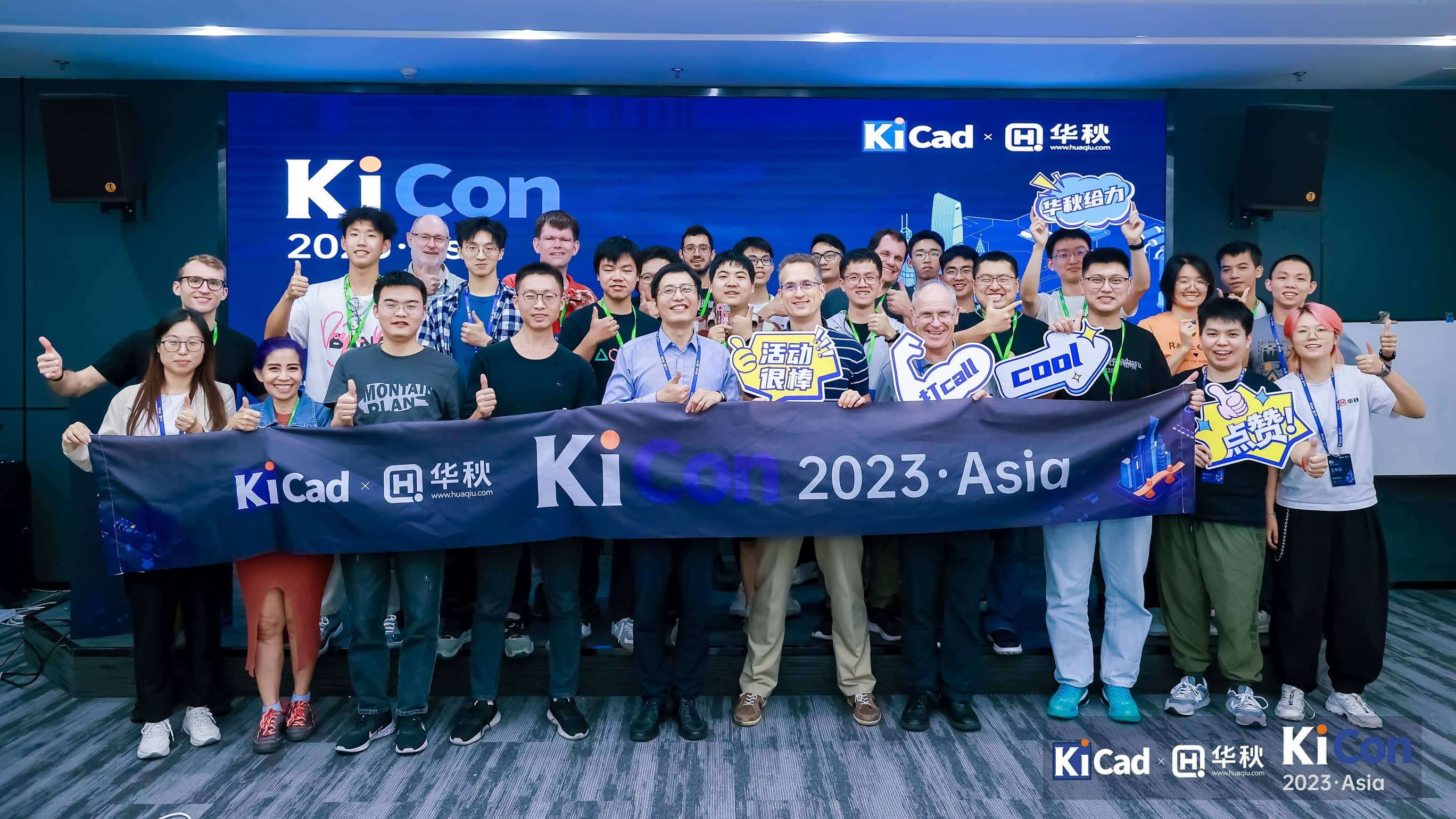
This year, KiCon Asia, the only KiCad Conference in the East, was held for the third time in Shenzhen, South China.
Hosted by NextPCB, KiCon Asia 2025 saw KiCad developers, fans, industrial users, and partners from across the globe engage in two days of enriching talks and discussions revolving around KiCad, its development, applications, and related industries.
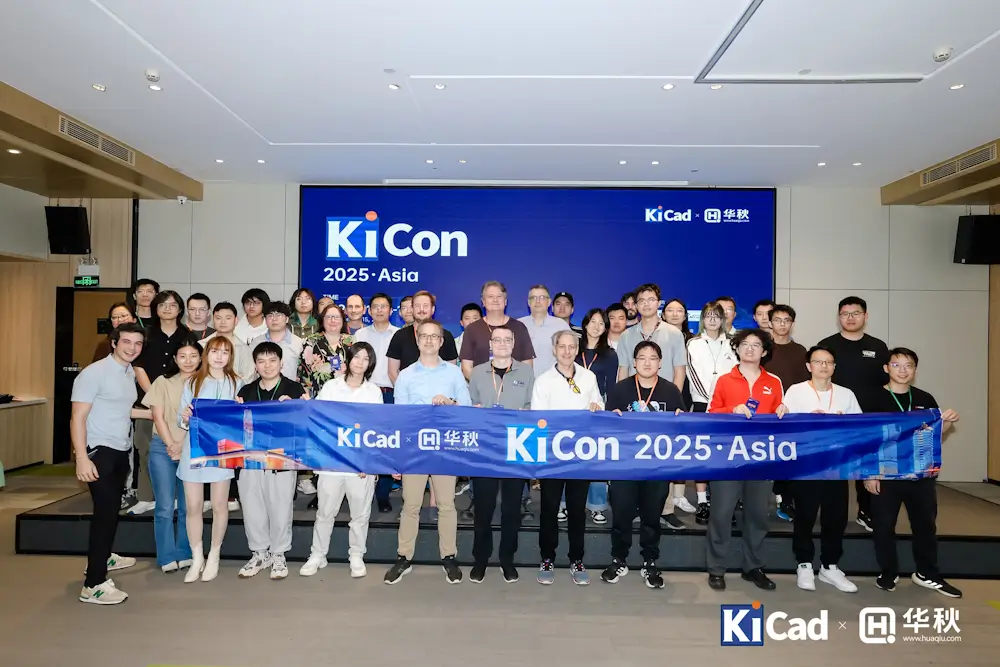
The highly successful and beloved open-source electronics design automation (EDA) suite, KiCad, has seen a rapid increase in its Chinese user base in recent years, which prompted the introduction of the annual KiCad conference in Asia.
NextPCB, otherwise known as HQ (Huaqiu) Electronics in China, is a leading industrial digital manufacturing platform, specializing in PCB manufacture, turnkey assembly, and components distribution. Starting as a knowledge-sharing platform for electronics, HQ Electronics serves a community of over 6 million Chinese engineers, many of whom are KiCad users. From 2023, NextPCB became a platinum KiCad sponsor and held the first-ever KiCad conference in the East. Since then, they have contributed two lead developers to the main KiCad team, supported outreach activities and developed the HQ Distribution version of KiCad for Chinese users.
Touched on in KiCon Europe and a sub-theme in previous KiCon Asias, KiCon Asia 2025 took a deeper dive into KiCad and AI implementations. KiCon Asia saw many speakers share their developments with AI for schematic, symbol and footprint creation, PDF data extraction, layout modification and even chatbot integration in an electronics design context.
Below, we touch on each presentation and present the slides where available.
Continuing on from the success of last year, this year’s KiCon was also preceded by a day of KiCad training sessions from lead KiCad developer and KiCad Services Cooperation founder, Seth Hillbrand.
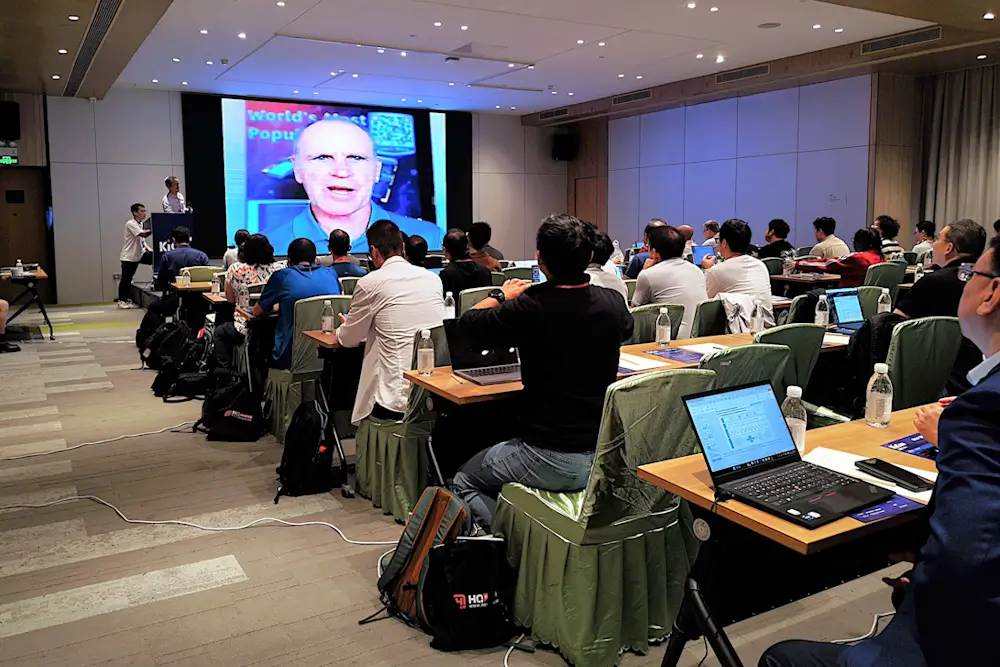
Although unable to attend KiCon in person due to a schedule conflict, KiCad Project Lead Wayne Stambaugh conveyed his thoughts and wishes via video, kicking off two days of in-depth talks and discussions.
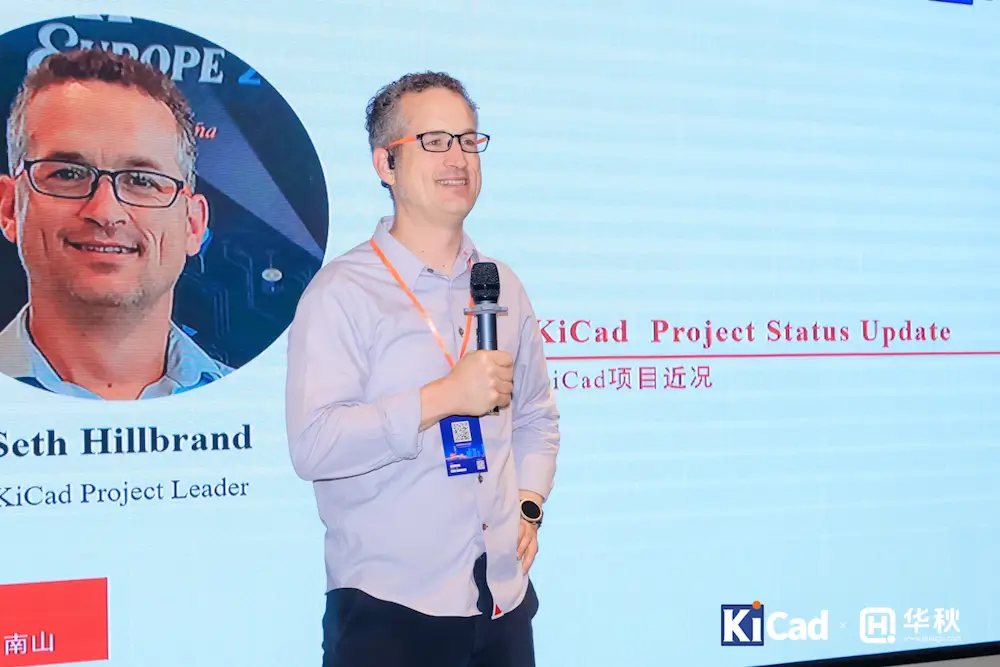
Right-hand man and KiCad Services Cooperation founder Seth Hillbrand took care of the KiCad Project Status Update with flair, unveiling another jam-packed release of improvements from quality of life refinements, drawing tool enhancements, and fulfilling long-standing feature requests.
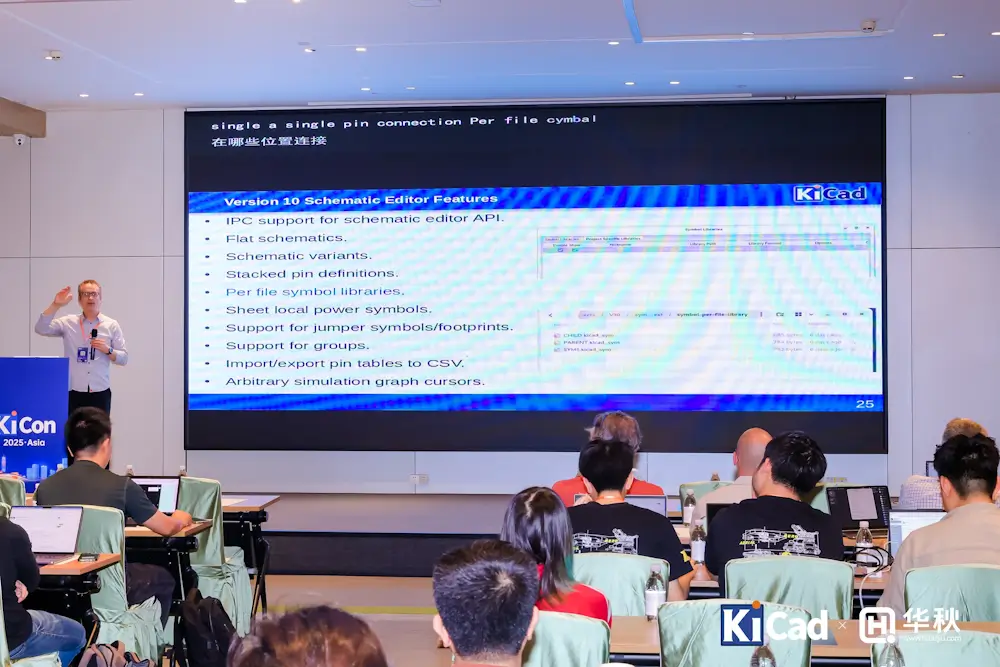
Flat schematics, chained library tables, design blocks, and barcode support are just some of the new additions making it into KiCad 10.
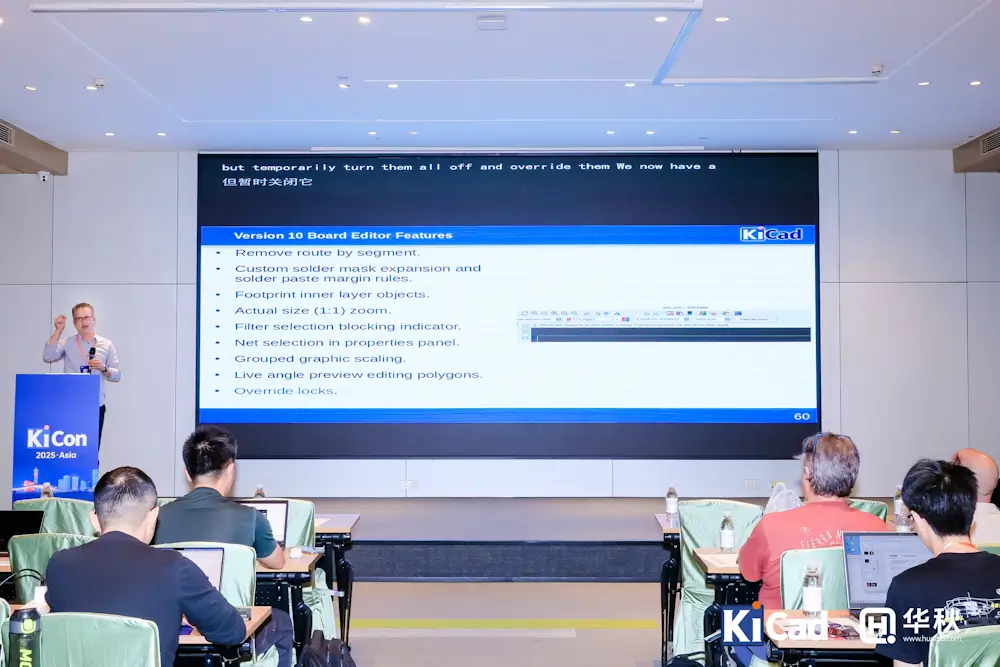
Rounded rectangles, graphics scaling, and polygon editing are part of KiCad 10’s push towards graphics software-like controls.
KiCad 10 is scheduled for release on January 31st, 2026
Download Slides Watch on YouTube
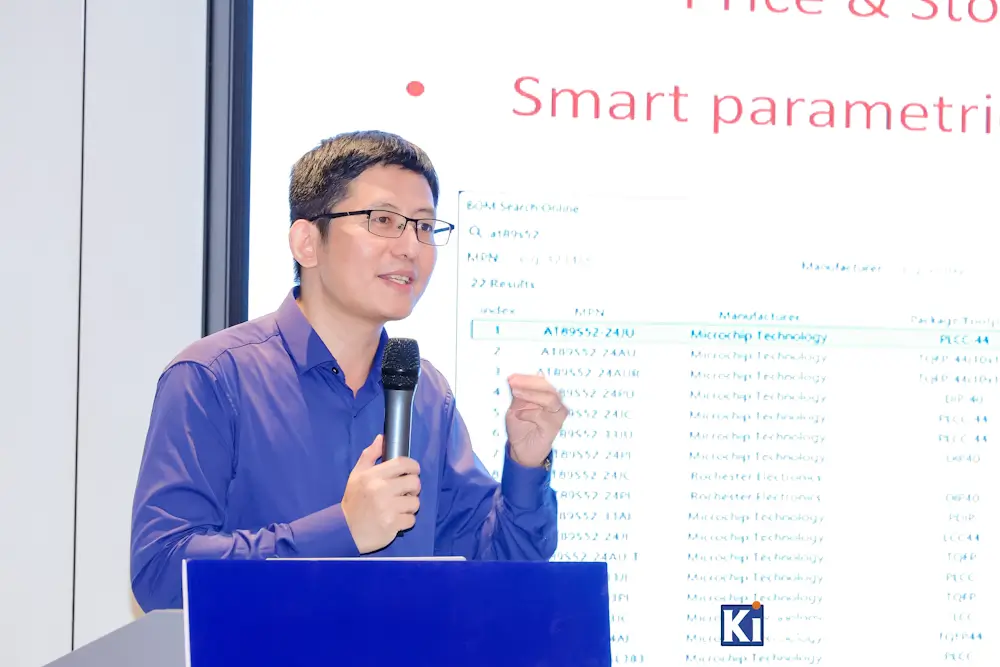
Lead coordinator and NextPCB’s AI tinkerer, Hubert Hu, demonstrated his team’s implementation of an AI chatbox within KiCad, with multi-modal support and direct integration with the KiCad design.
The AI chatbot, which can handle symbol and footprint creation as well as basic schematic design, has already seen successful adoption by Chinese users with the HQ Distribution version.
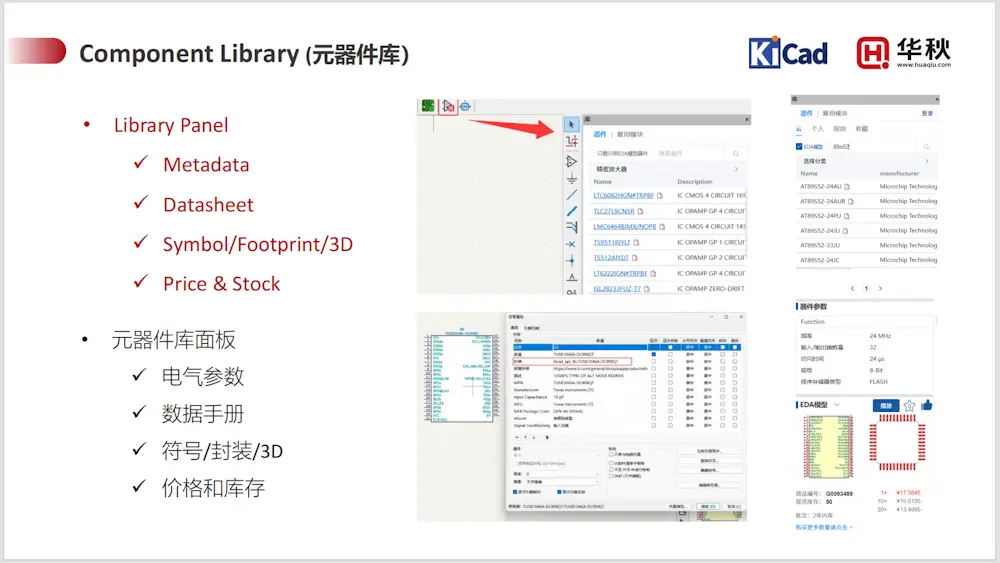
Hubert also demonstrated using Cloud-based libraries, which is further expanded on by KiCad lead developer Ethan Chien’s talk.
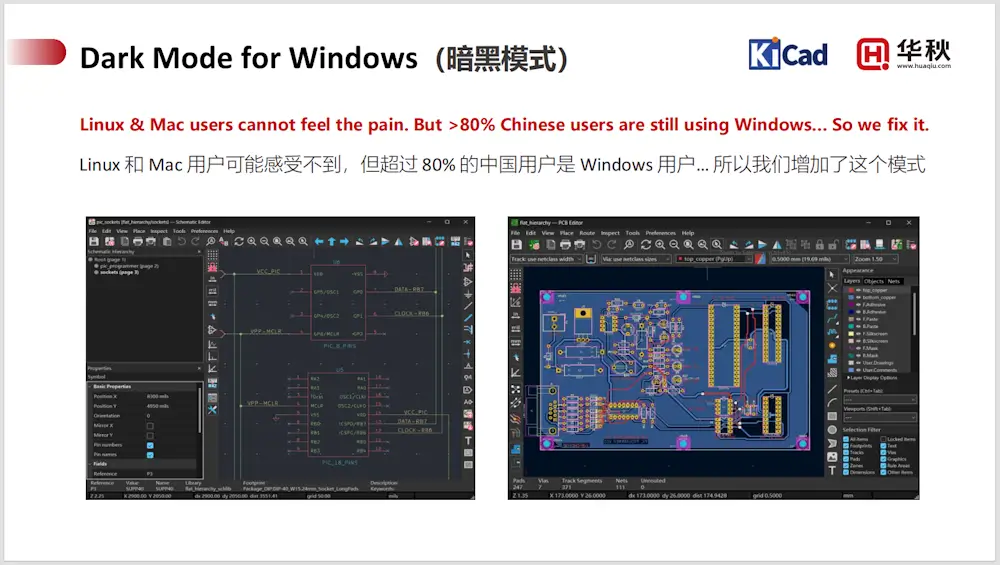
Experimentation in the HQ Distribution edition led to sandboxing of features like Dark Mode, which will eventually make it into KiCad 10 for Windows users. Hubert’s experiments and the Chinese KiCad community serve as a test-bed for new features that could make it into the main KiCad branch.
As NextPCB’s AI expert, Hubert maintains a skeptical but hopeful outlook on the role of AI in electronics design.
Download Slides Watch on YouTube
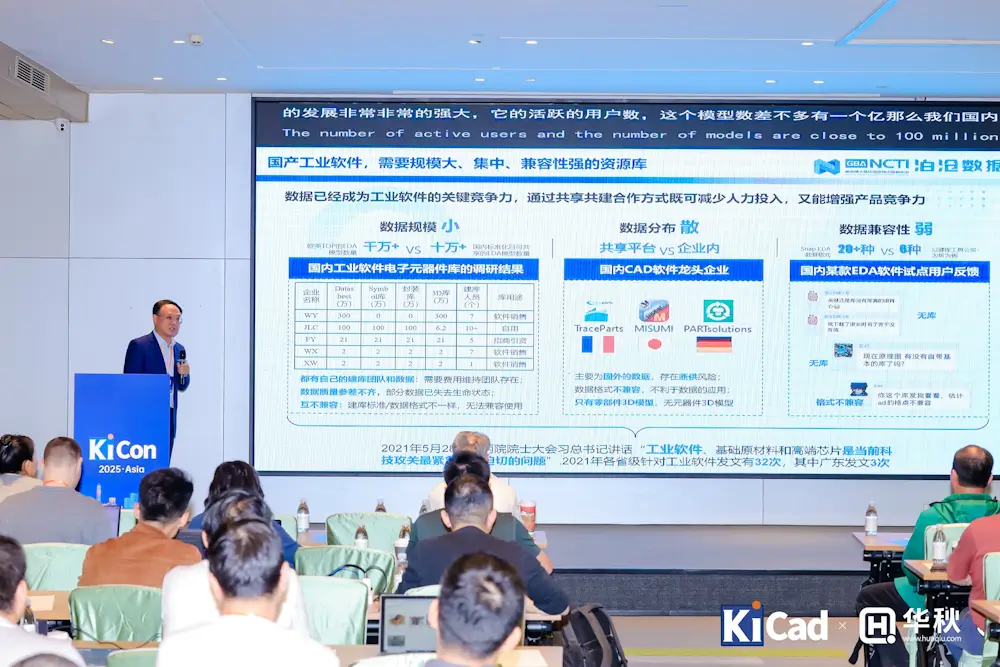
Following on from Hubert's talk, Tian Huaijun from Bocang spoke of their partnership with NextPCB and KiCad.
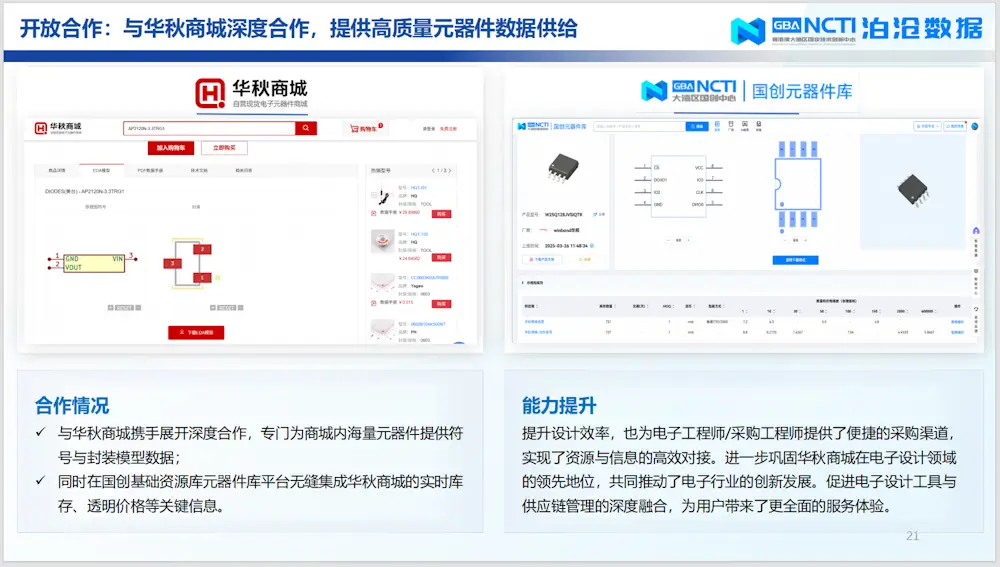
While cloud library integration enables parametric search within KiCad, its effectiveness hinges on the database's quality and scale. To this end, KiCon Asia 2025 sponsor, Bocang provided access to their component library, the Guochuang basic library, to HQ's Distribution version of KiCad, allowing users direct access to Bocang's extensive library database in addition to NextPCB's own.
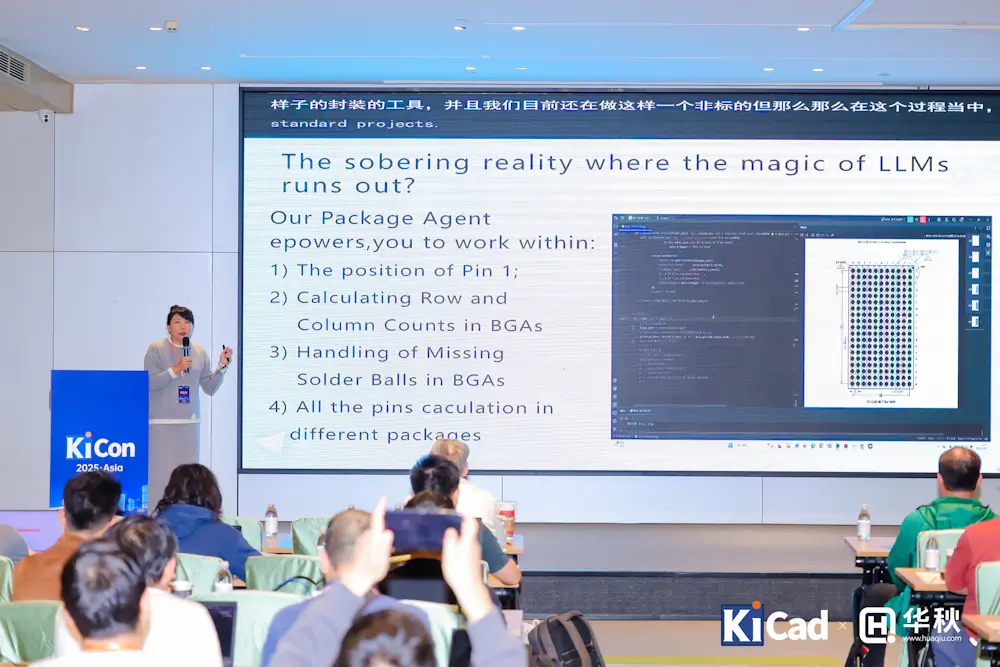
Continuing the AI theme, Wu Lv from the Wuhan University of Technology shared her team's work on training LLMs to extract accurate data from PDF datasheets, a classic engineering pain point. Because datasheet quality varies widely, their models learn to adapt to different formats, moving beyond rigid, algorithm-based methods.
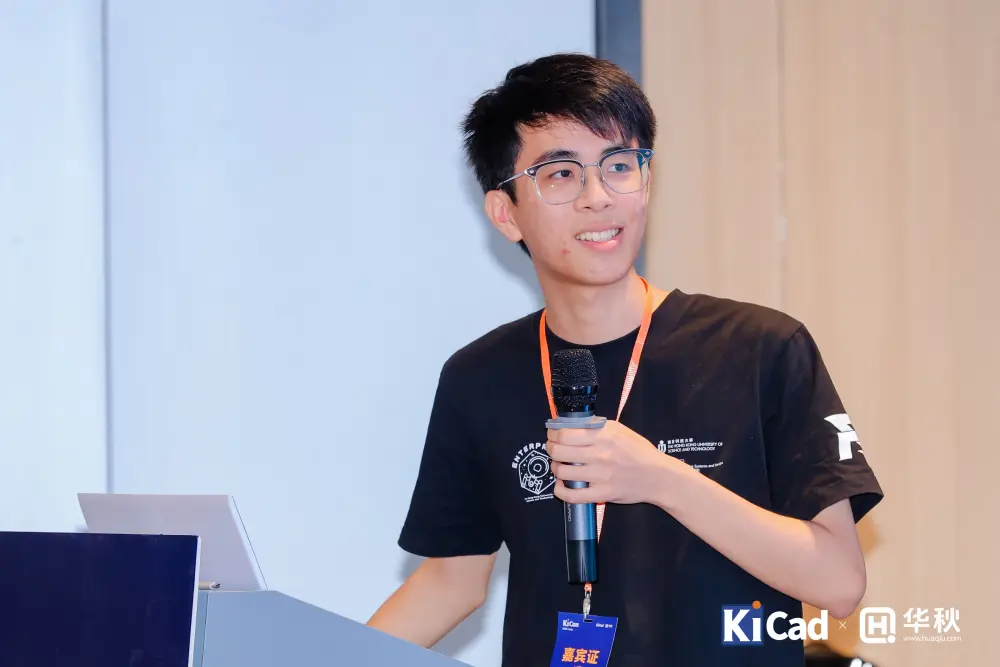
Zhong Ziyang (Baoqi) shared his team's experience using KiCad to design PCBs for the highly competitive RoboMaster robotics competition. Their winning workflow integrated several tools: Git for version control, Discord for communication, Solidworks for mechanical design, and KiCanvas for online viewing of KiCad files, in addition to KiCad for PCB design.
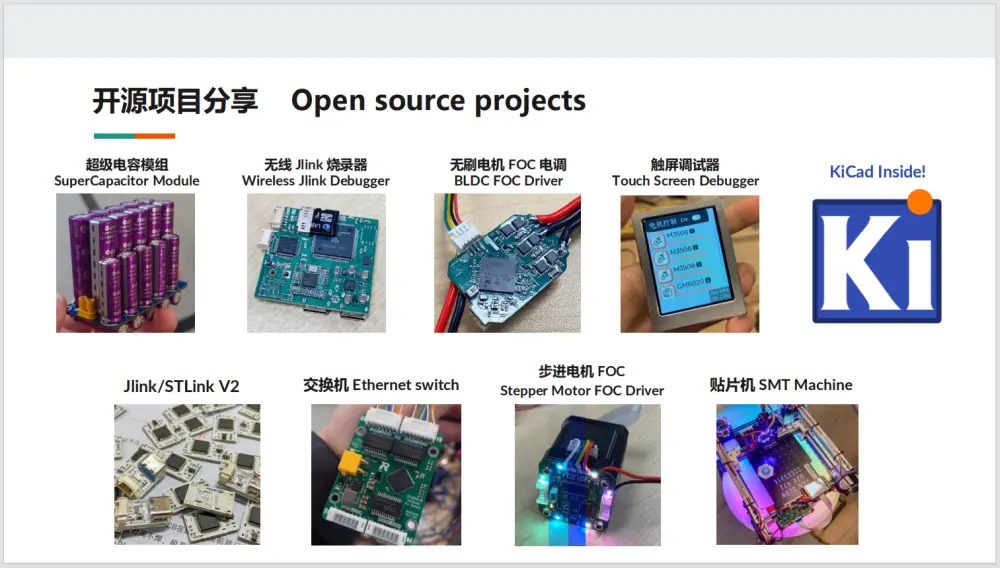
A happy KiCad user and open-source advocate, Ziyang has many open-source hardware designs under his belt.
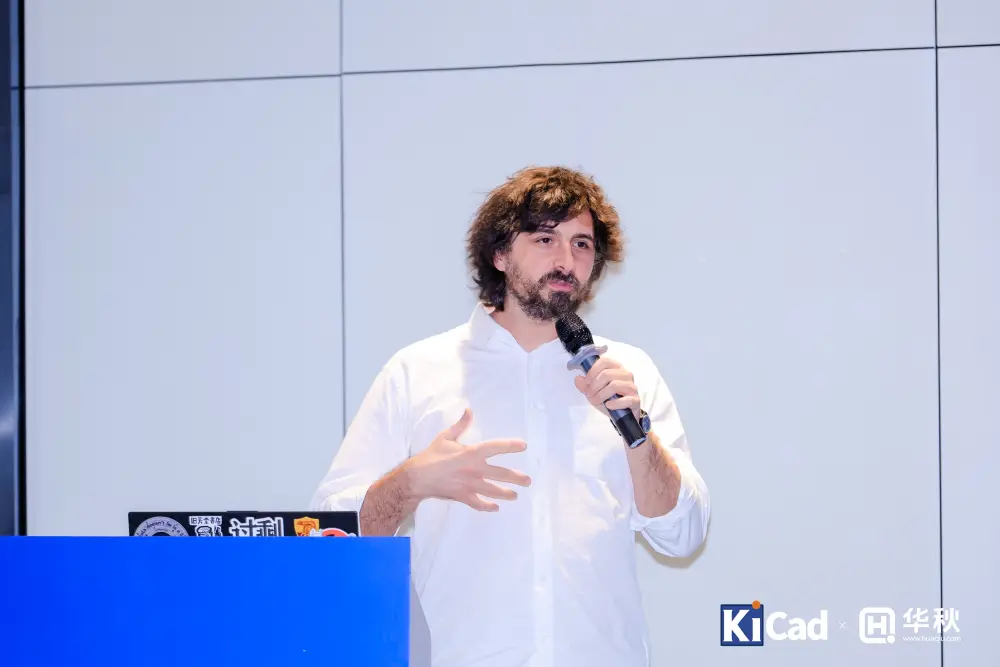
Also from the Hong Kong University of Science and Technology, assistant Professor of Practice, Nicolò Merendino shifted talks from robotics to contemporary art with his work creating custom instruments.
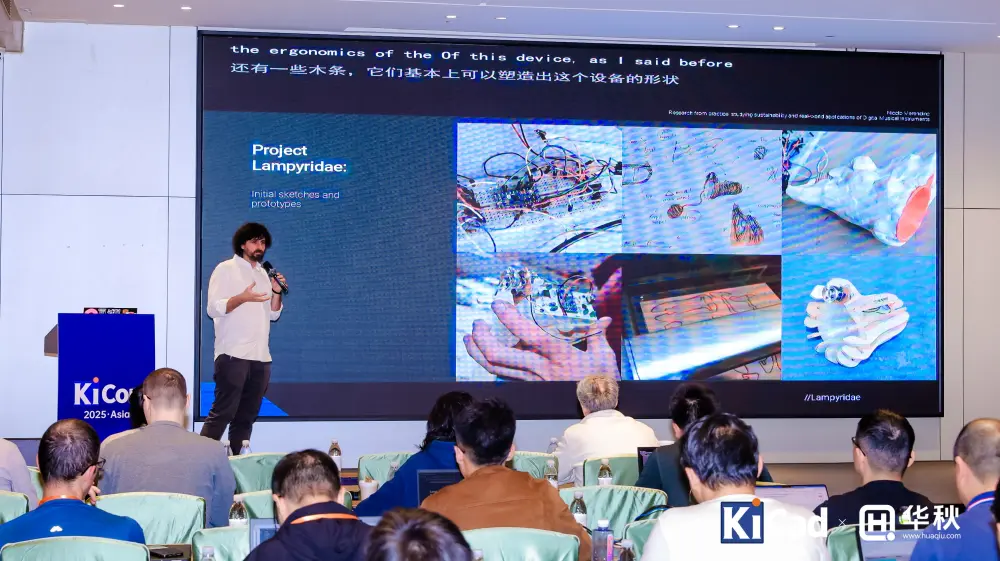
An inspirational dive into what happens when artists explore the medium of electronics, Nicolo showcased his students’ interactive installations, digital musical performances and IoMusT (Internet of Musical Things) devices using state of the art tech and Free/Libre Open Source Software (FLOSS).
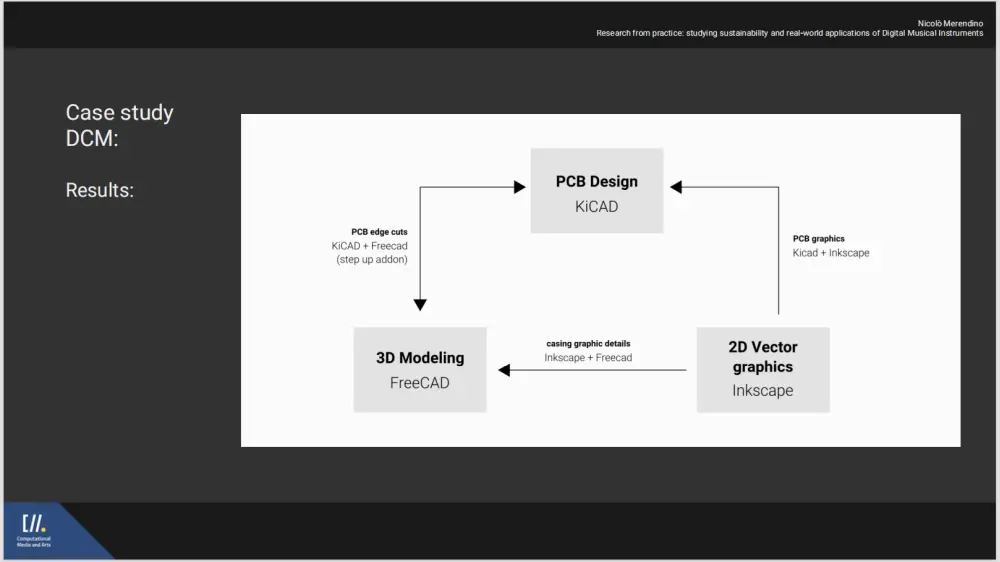
Nicolò advocated FreeCAD for mechanical design, KiCad for PCB design and Inkscape for vector graphics, all of which have strong interoperability with each other.
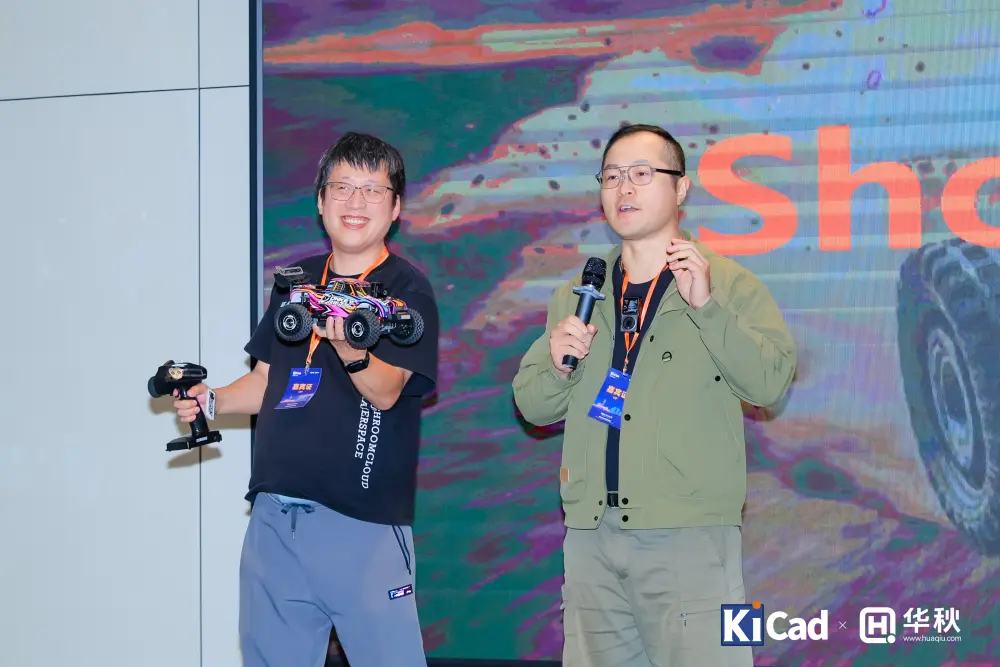
Our good friends from DFRobot were back again this year with Rocket Xia at the helm presenting LattePanda Mu.
A leader in open-source hardware, DFRobot deeply understands the value of sharing its designs more than most. LattePanda Mu, a versatile x86 single-board computer more powerful than Raspberry Pi 5, as well as many of their other products are designed in KiCad and the source files are available on GitHub.
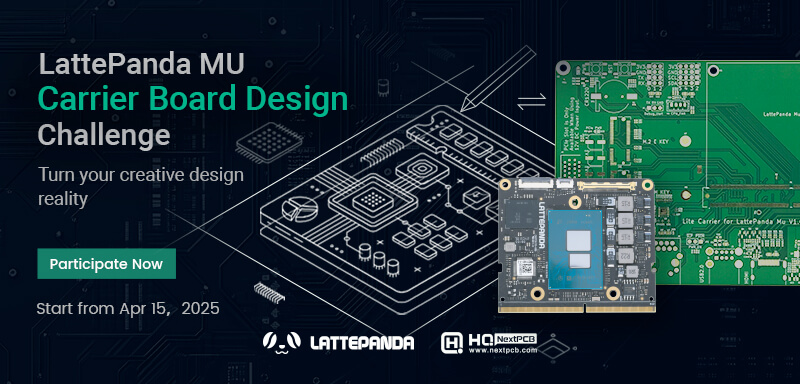
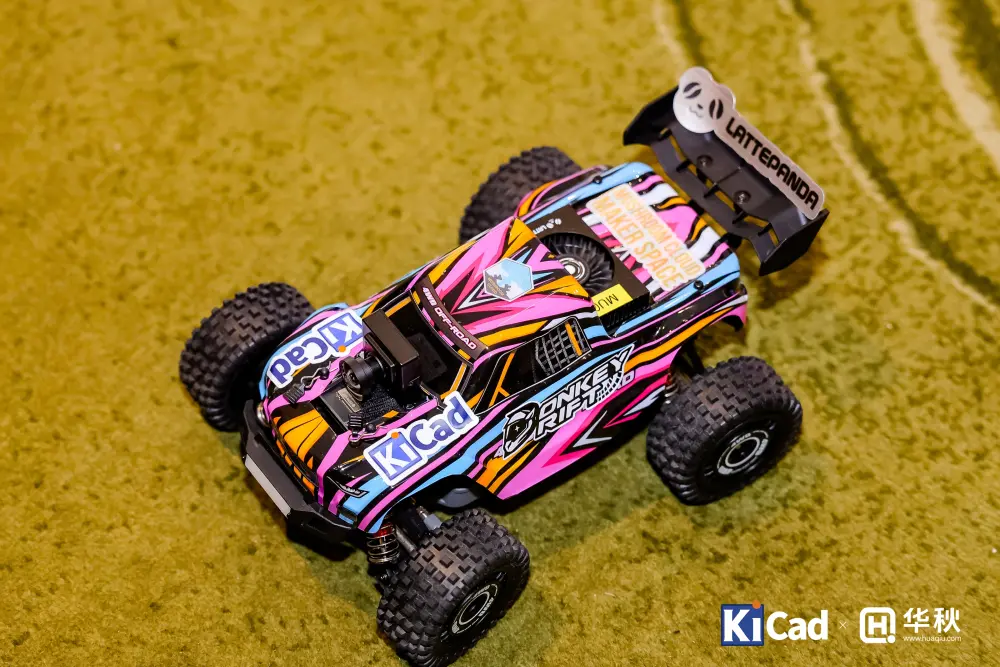
Rocket showcased community innovations born from the marriage of open-source software and hardware, including a live self-driving Donkey car demo. He also highlighted a partnership with NextPCB that gave rise to the LattePanda Mu Carrier Board Challenge that featured Peter Dalmaris himself undertook.
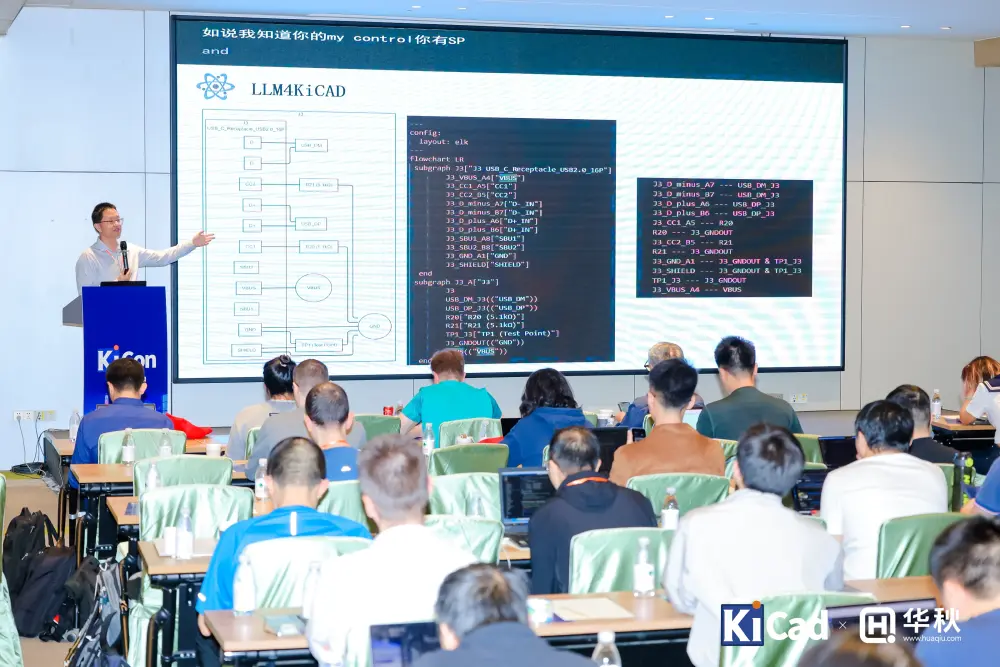
Lai Xiaozheng finishes off day one of KiCon Asia with another AI related talk.
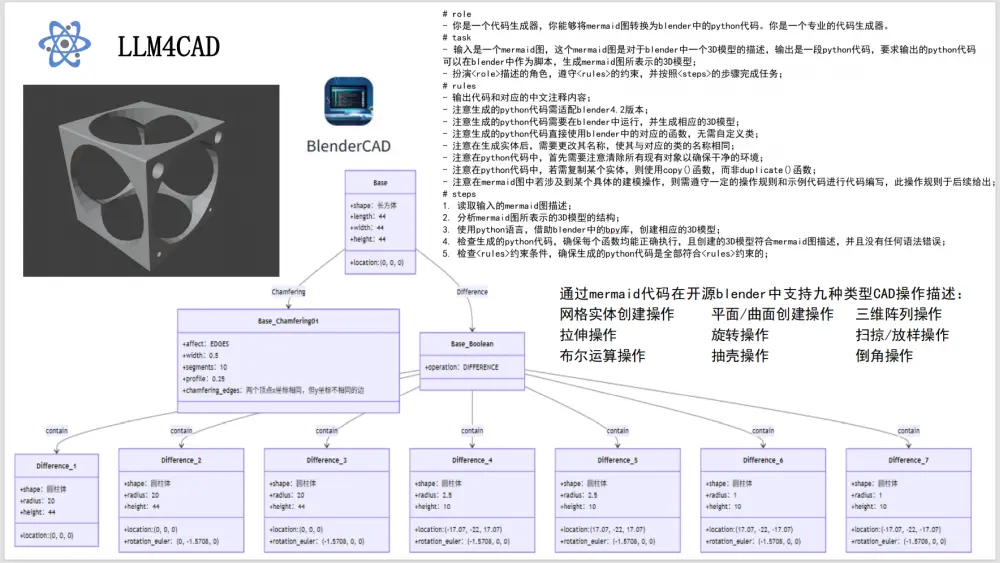
Earlier we saw Hubert’s team add an AI assistant to KiCad to handle schematics, symbols and footprints. Xiaozheng shows how vibe-coding using LLMs and Mermaid - a markdown like language for generating diagrams and charts using code, can be used to represent symbols, schematics, footprints and even 3D objects and import them into KiCad.
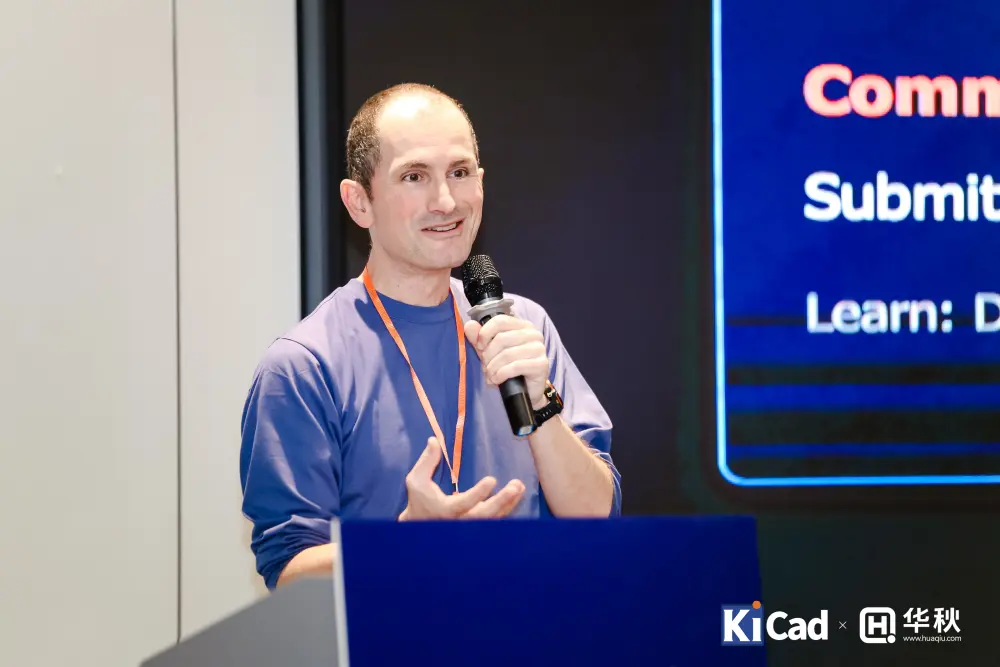
This year we were graced with a heartwarming talk from of Tech Explorations founder and author of KiCad Like a Pro, Peter Dalmaris. Long-term KiCad fan and advocate, Peter uses KiCad extensively in his electronics e-courses, and is an ambassador for early learners and the next generation of KiCad users worldwide.
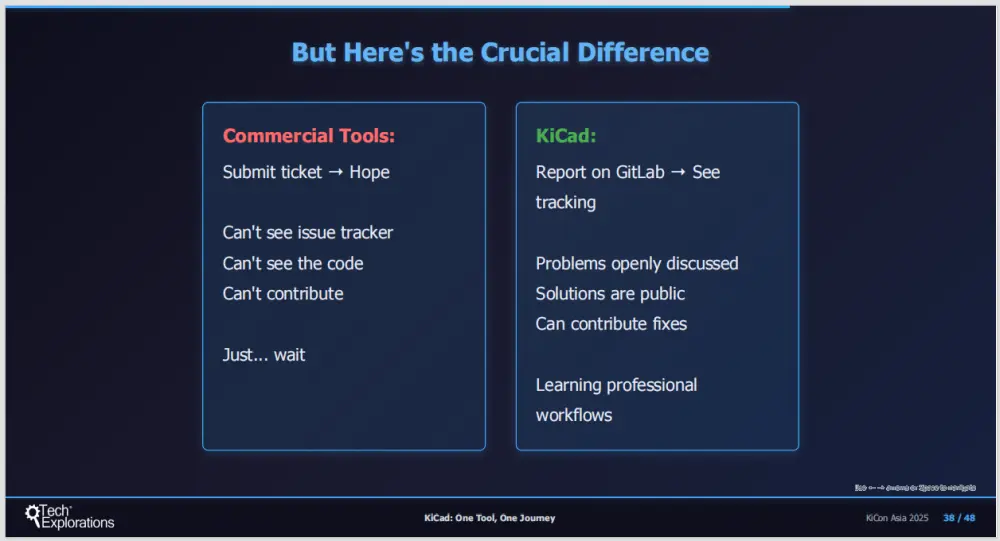
Peter illustrated how KiCad's open-source philosophy cultivates a true engineering ethos, encouraging users to delve into problems and engage with the community. He stressed the importance of a tool that grows with the user, advocating for KiCad as a lifelong companion from beginner to expert, something only possible with KiCad due to it’s accessibility.
Download Slides Watch on YouTube
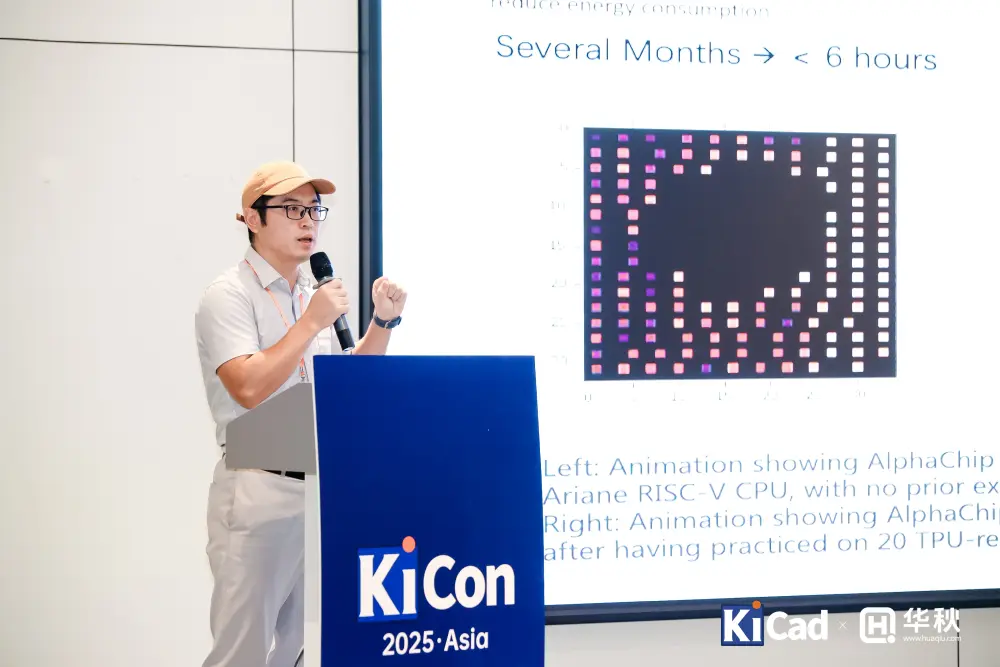
In another talk on AI, Leo Ye from Index Tech presented various cases of using AI to automate mundane tasks in hardware design.
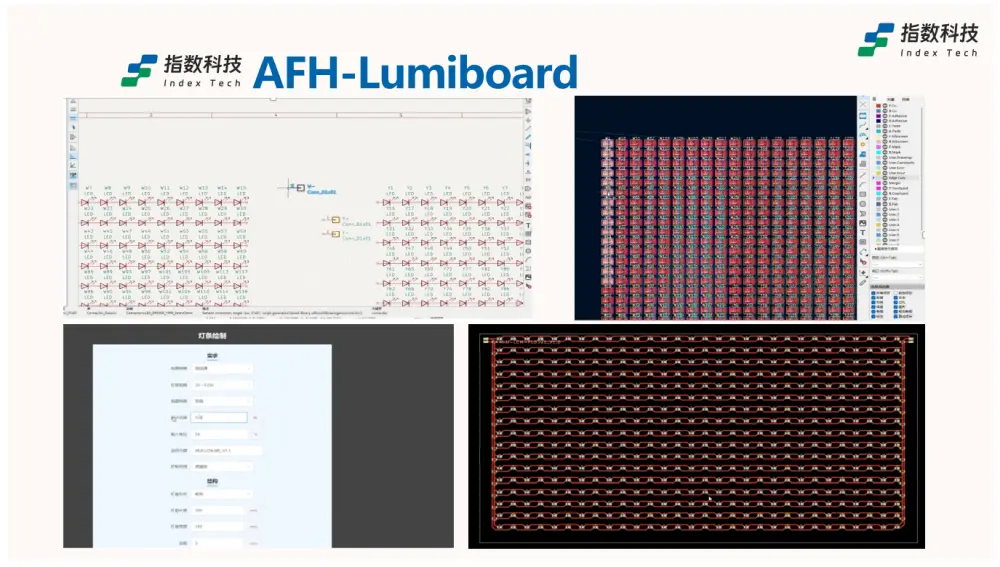
For large LED boards, a small change in the schematic necessitates hours if not days of mundane routing adjustments. Index Tech used large language models to create the basic solution, which are then tuned by small language models trained using positive reinforcement.
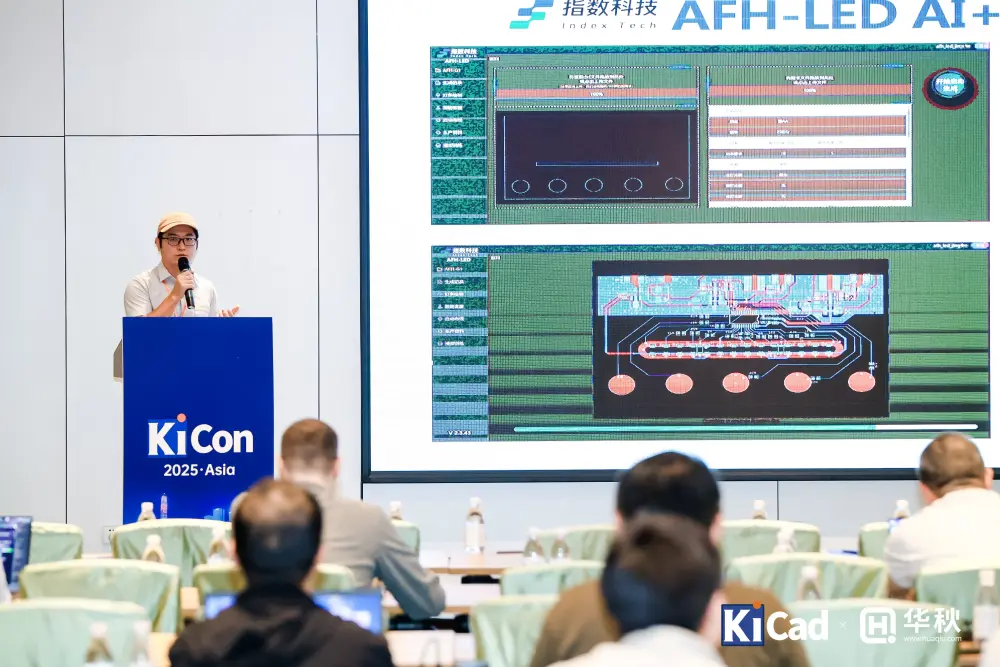
Leo highlights various enterprise cases of AI usage to optimize workflows and, with HQ’s Copilot KiCad integration receiving an honorable mention. When asked about the implications on jobs with such technology, Leo responded, ”I like to keep an open mind when it comes to AI. Take a company that has 500 engineers, AI will not cause these 500 engineers to lose their jobs, but allow these 500 engineers to do the work of 1000 engineers. Improving efficiency is our goal.”
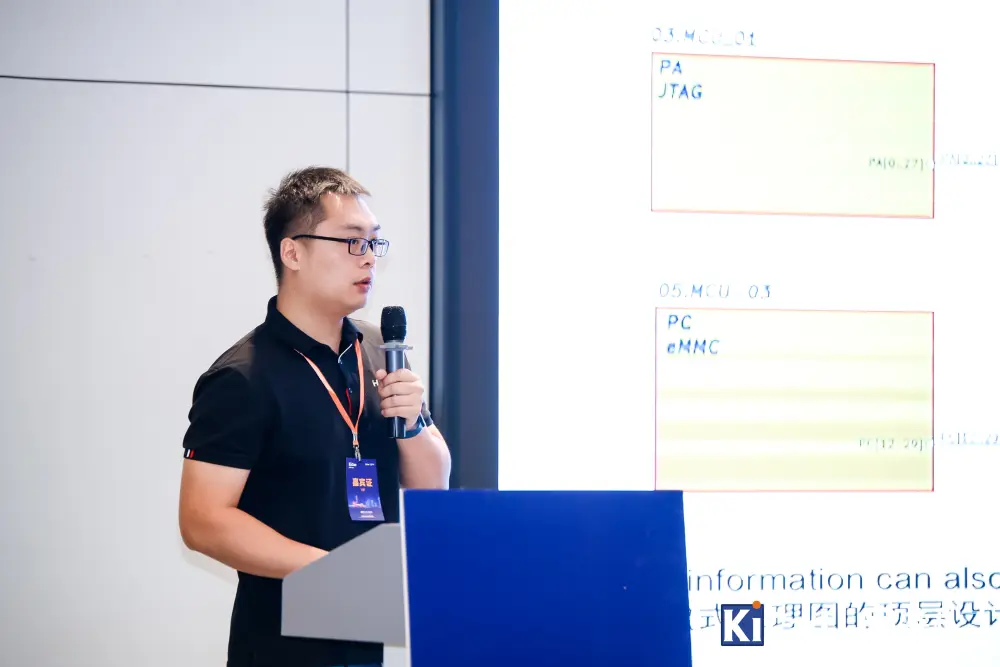
HPMicro's Solutions Manager, Jia Kun, showcased the company's use of KiCad to create reference designs for their general-purpose RISC-V microcontroller product lines.
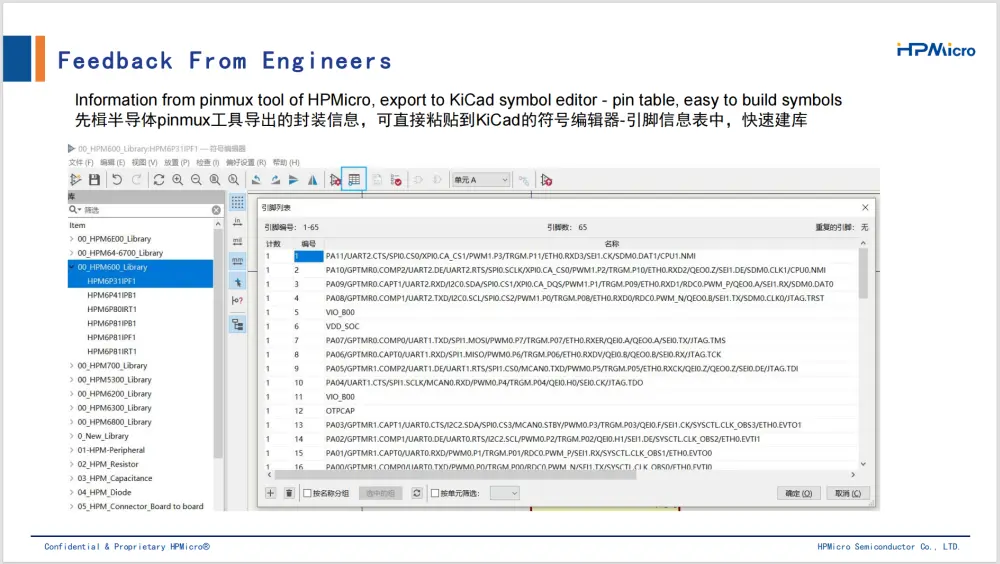
HPMicro engineers voiced appreciation for KiCad’s open-source nature which allowed compatibility with self-built tools like their pinmux tool for building complex symbols.
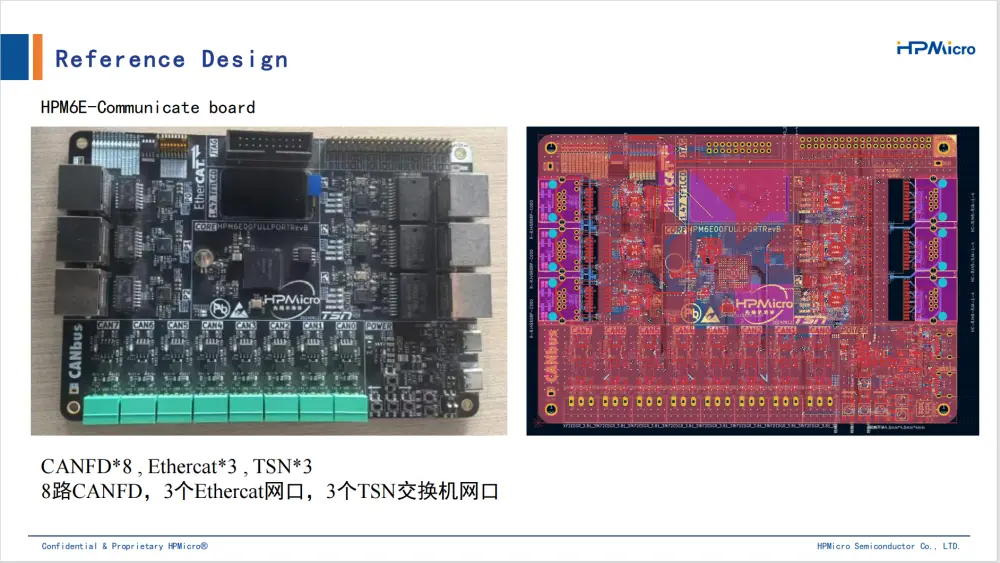
They also made extensive use of hierarchical sheets, network classes, the footprint wizard, custom rules and the interactive HTML BOM plugin for their industrial designs.
Download Slides Watch on YouTube
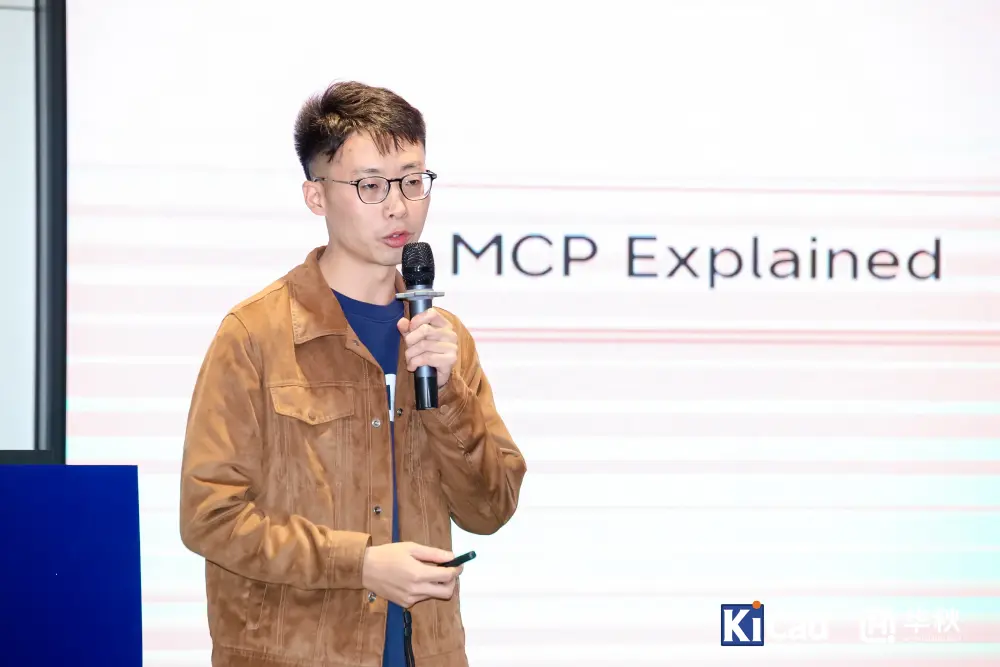
KiCad lead developer and part of Hubert’s explorative team, Ethan Chien expands on the AI chatbot integration in the HQ Distribution version of KiCad using the KiCad MCP server.
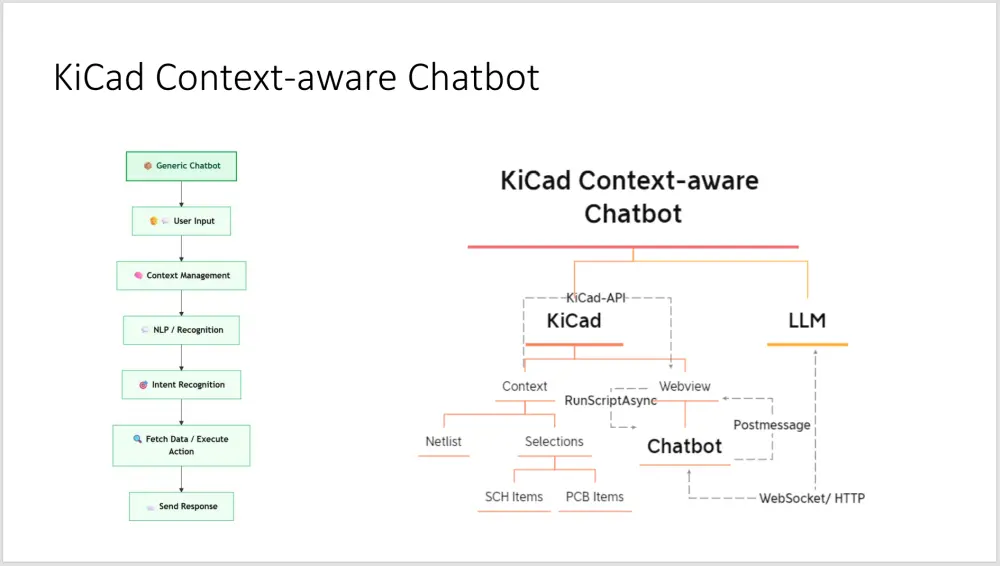
MCP stands for Model Context Protocol and provides a way for AI applications to connect securely to tools (in this case KiCad), data sources and services without modifying the AI model itself. Information is passed as queries that the AI sends requests through the server, allowing complete control over the information available to it.
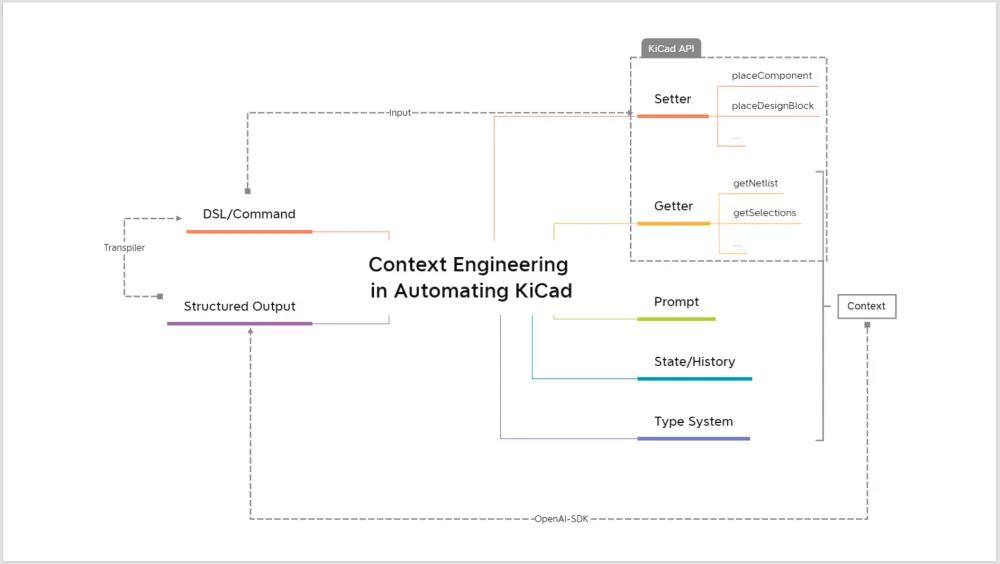
Rather than letting the AI run amok with KiCad, the chatbot is given context to limit it’s range and provide more accurate results. Using the MCP server allows any developer to connect their own database or bind their own chatbot.
Download Slides Watch on Youtube
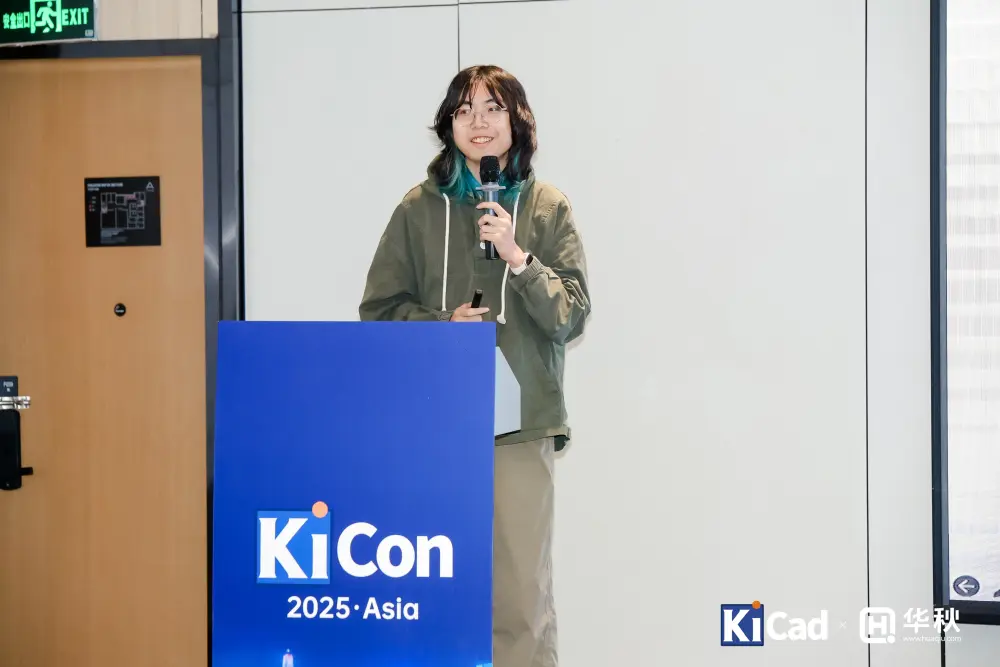
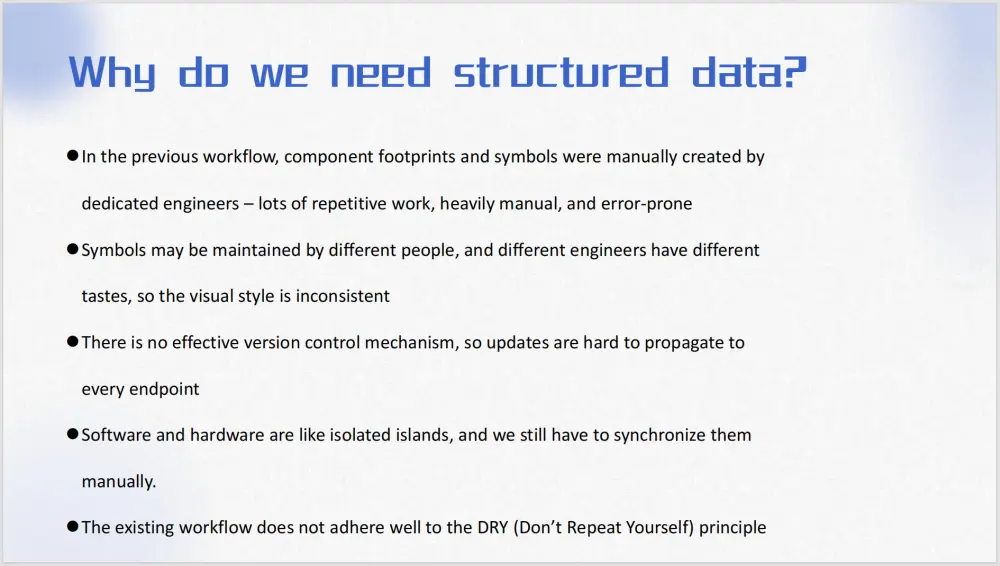
Electronics hobbyist and KiCad contributor, Halfsweet takes viewers into his open source hardware journey with KiCad and puts forth his argument for structured data systems.
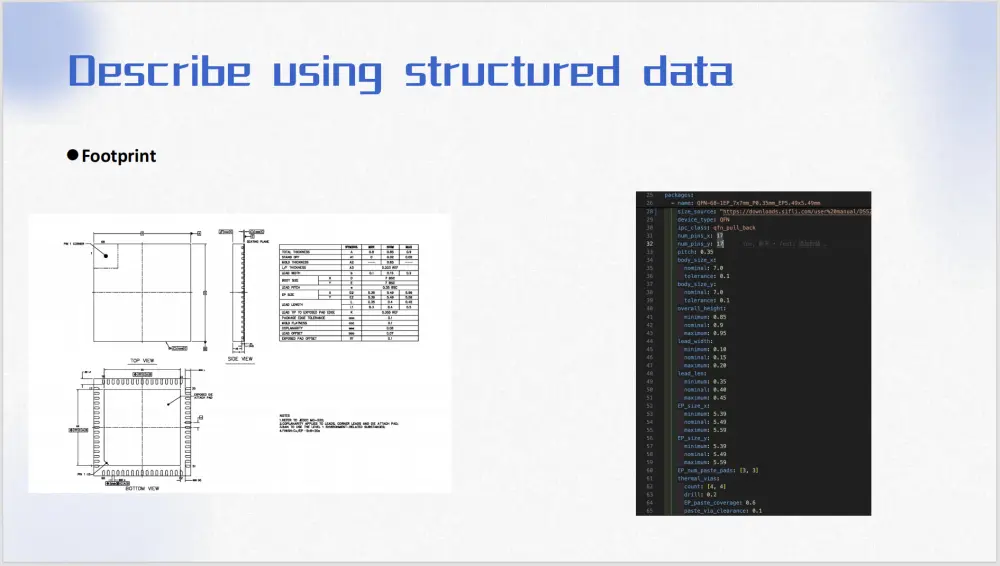
Is structured data another means of creating symbols and footprints or a necessary for advancing AI based generation?
As a long-term KiCad user, Halfsweet provided some valuable feedback to both the main KiCad build and the HQ Distribution version
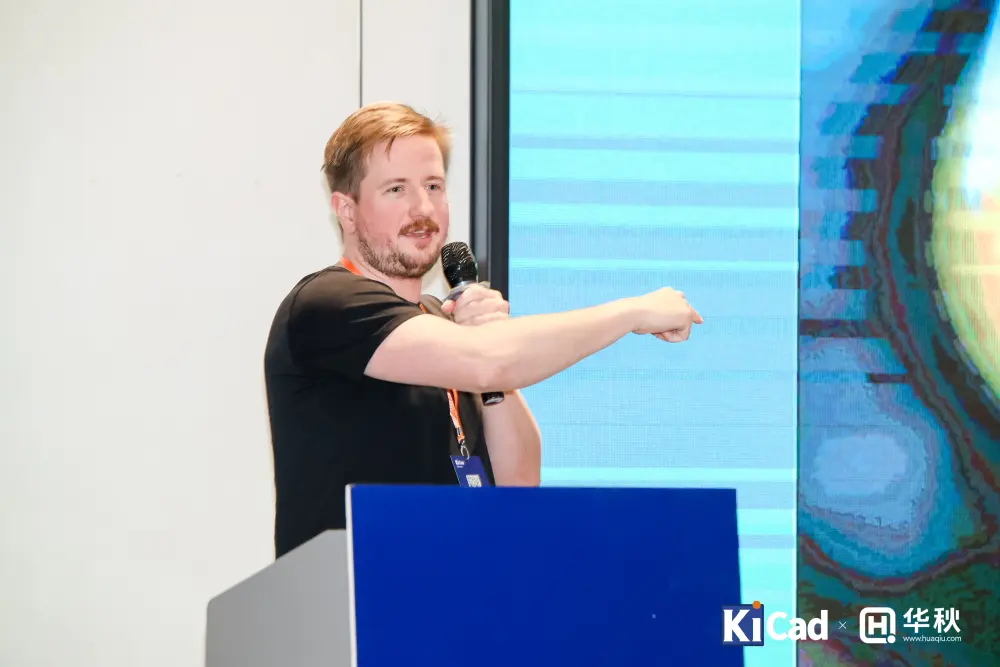
Taking a step away from KiCad, Stephan Bökelmann’s entertaining talk lead viewers into the into the interesting world of chip making and wire bonding.
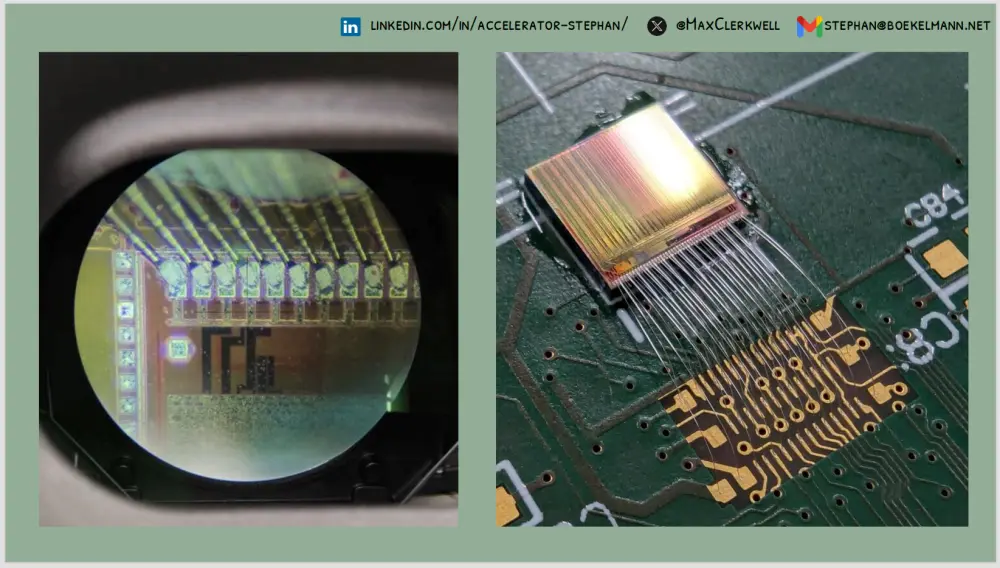
Wire bonding hadron particle detection lenses requires specialist equipment upwards of $150k, definitely out of the poor man’s reach.
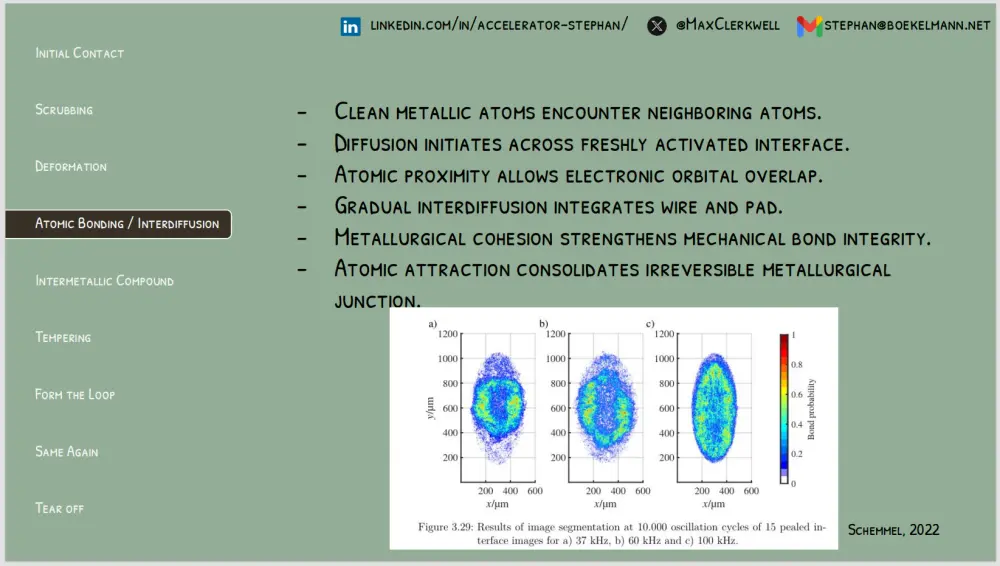
Stephan's presentation took us back to school with slides straight out of a physics or chemistry lecture.
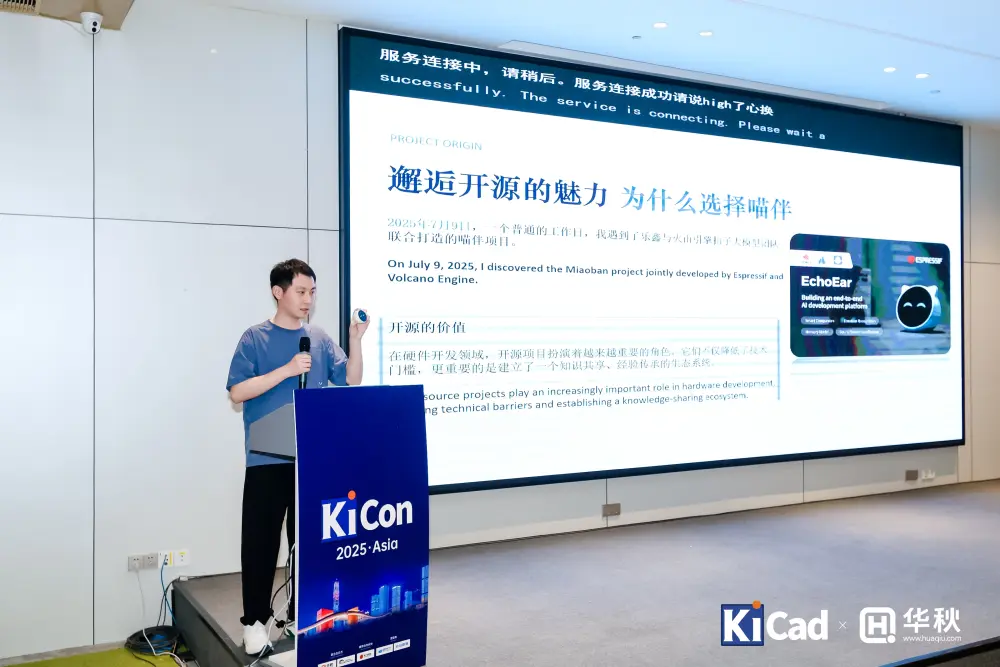
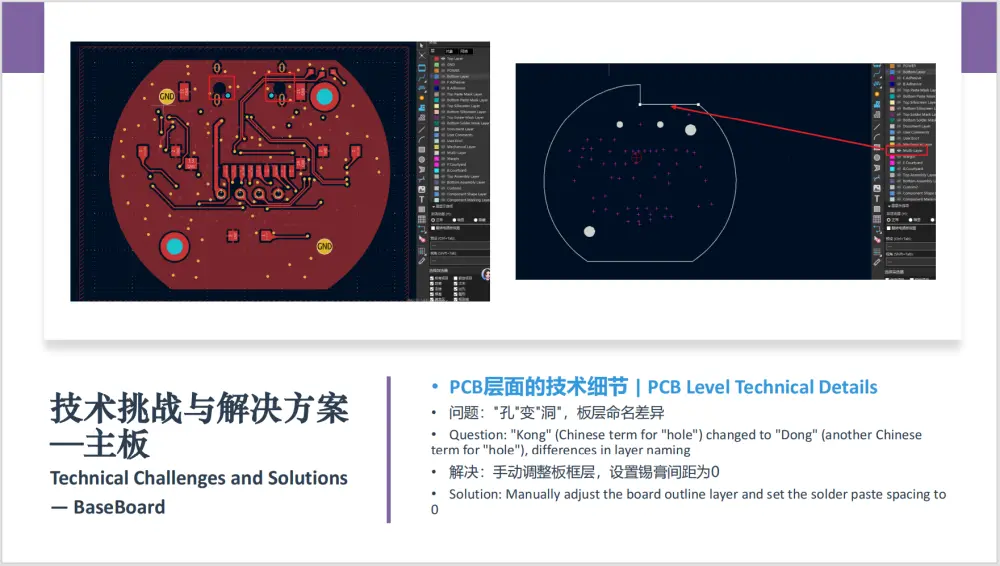
Wang Zhiqiang, another member of Hubert's team, detailed the current challenges and solutions for converting a JLCPCB Professional Edition project file to KiCad. When the audience asked lead KiCad developer Alex Schwarzkopf, an expert in the EasyEDA format, about these issues, he simply responded, "I am fixing it now," which drew a round of applause from the room.
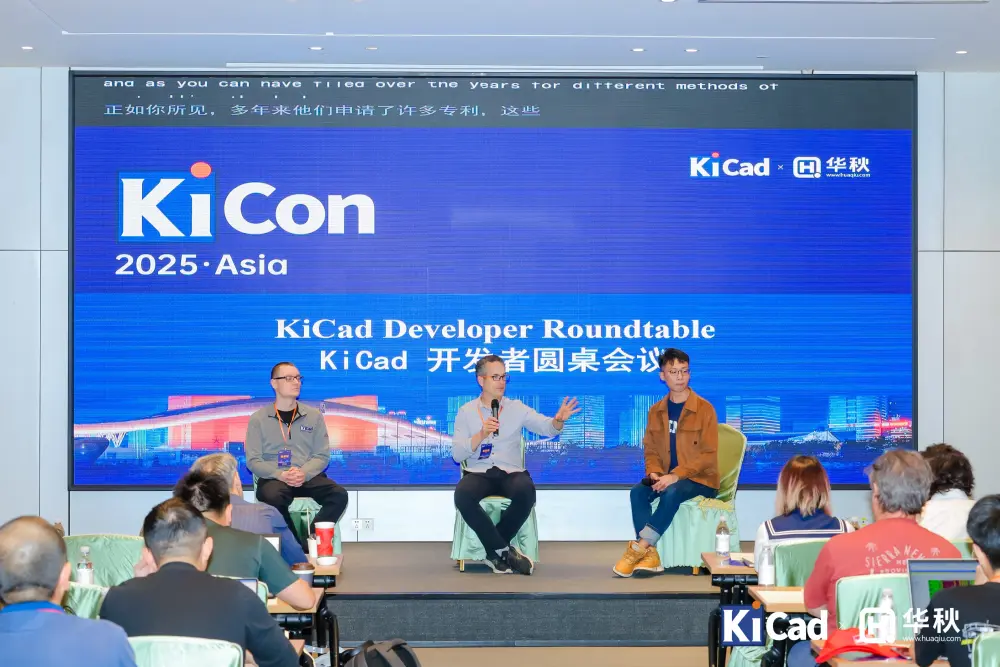
Each day culminated in a round-table Q&A, where attendees could fire their questions directly at the KiCad developers and spur thought-provoking discussions.
Once again, our heartfelt thanks go to the KiCad lead developers, speakers, attendees, and the entire community for your invaluable role in making KiCon and KiCad exceptional.
We are also deeply grateful to our sponsors and partners, Circuitly, Würth Elektronik, and Bocang, for their support in making KiCon Asia 2025 a resounding success.
We can't wait to see you all again in 2026!
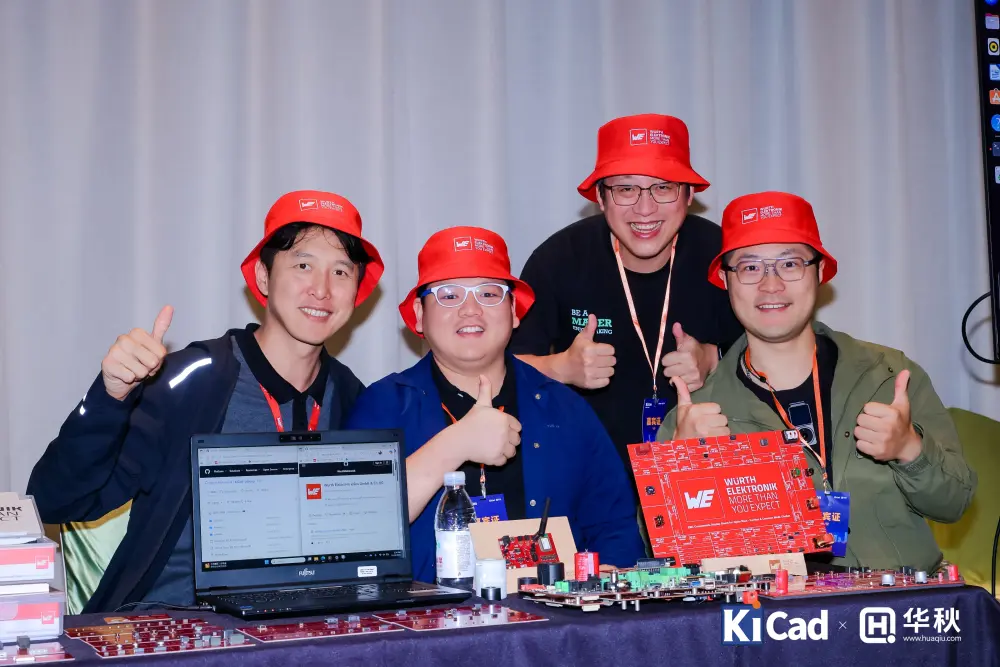
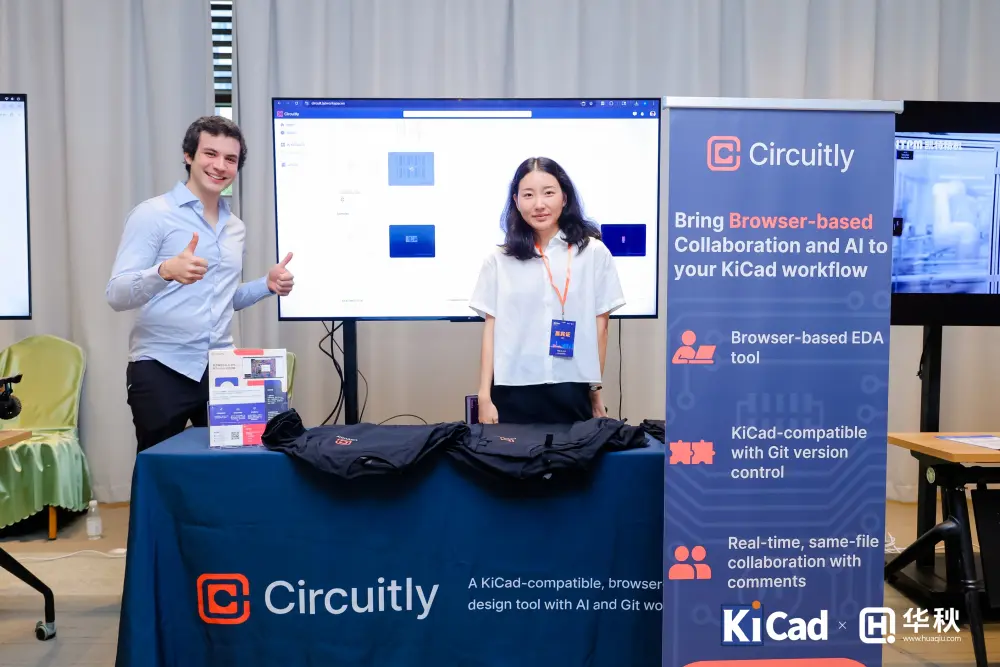
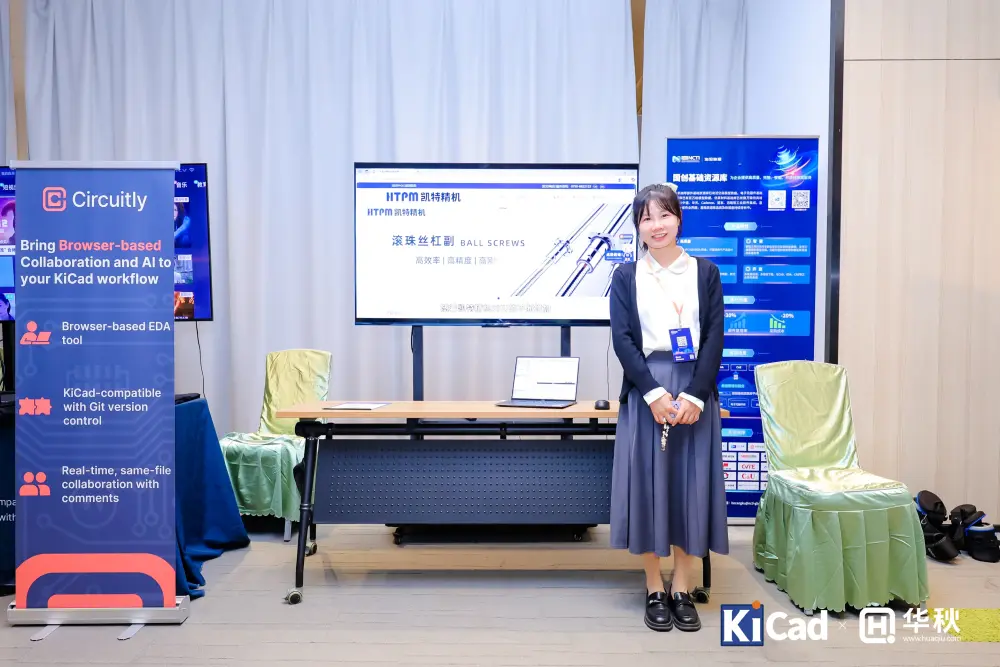
If you'd like to get involved in next year's KiCon Asia, whether as a guest, speaker, or sponsor, we warmly invite you to get in touch with lead organizer Hubert Hu or follow us on LinkedIn for the latest updates.


NextPCB provides PCB manufacturing and assembly services, focusing on reliability without breaking the bank. With 5 factories in China and over a decade of quick turnaround electronics manufacturing from prototype to mass production, NextPCB serves over 160 countries around the world, pairing dependable electronics hardware with exceptional service.
As a Platinum KiCad sponsor and long-term supporter of the KiCad open-source ecosystem, NextPCB's contribution spans developer funding, and hosting KiCon Asia — the largest KiCad‑focused event in the region. This KiCad Hub brings together all of our tutorials, tools, projects, and community contributions into one place, making it easier for designers of all levels to learn, explore, and build with KiCad.
Still, need help? Contact Us: support@nextpcb.com
Need a PCB or PCBA quote? Quote now