

Julia Wu - Senior Sales Engineer at NextPCB.com

 NextPCB Capabilities
Printed Circuit Boards
NextPCB Capabilities
Printed Circuit Boards
 PCB Assembly
 Layer Buildup
 SMD-Stencils
 PCB Design-Aid & Layout
 Mechanics
 Quality
 Drills & Throughplating
 Factory & Certificate
 PCB Assembly Factory Show
Certificate
PCB Assembly Factory Show
Certificate

Support Team
Feedback:
support@nextpcb.com


Introduction
Printed Circuit Boards (PCBs) are the unseen backbone of modern electronics, yet their production costs can span a monumental range—from as little as US$0.50 for a simple board to over US$500 for high-complexity, multi-layered assemblies. This vast difference highlights a critical reality for designers and engineers: PCB manufacturing is not a fixed-price commodity.
Manufacturers assess a complex set of criteria before quoting a final price. These considerations, ranging from fundamental material choices to production timelines and quality requirements, directly determine whether your project falls on the lower or upper end of the cost spectrum.
If you are currently designing and procuring a PCB, understanding these variables is essential. This guide breaks down the key factors that can either inflate or reduce your PCB cost, helping you balance performance, reliability, and budget.
To explore the full details and learn how to optimize your budget, see the in-depth guide: PCB Cost Analysis: Key Factors and Cost Reduction Strategies
| Category | Key Cost Factor | Brief Explanation |
|---|---|---|
| Structure & Materials | PCB Material | Material type (rigid/flex), size, and required performance (for example: high-frequency needs like Dk/Df, thermal performance, and reliability targets). |
| Layer Count | More layers mean more fabrication steps, tighter process control, and more material usage, increasing cost. | |
| Board Size | Larger dimensions consume more laminate and panel area; high component density can also increase process difficulty and yield loss. | |
| Manufacturing & Components | Electronic Components | Higher part count, fine-pitch packages (BGA/QFN), special handling, and component scarcity can increase total cost (especially for PCBA). |
| Via Type | Complex vias (blind/buried, via-in-pad, filled/capped) add steps and increase cost. | |
| Manufacturing Process | Extra requirements such as controlled impedance, heavier copper, tight tolerances, special surface finishes, or advanced inspection add cost. | |
| Production & Order | Order Quantity | Higher volumes generally reduce unit cost by spreading setup and tooling across more pieces. |
| Turnaround Time (TAT) | Shorter lead times require priority scheduling and can significantly increase price. | |
| Testing Requirements | More extensive testing (for example: electrical test coverage, ICT, X-ray for BGAs) increases manufacturing cost. | |
| Labor Cost | High-skill labor, higher complexity, and lower yields increase labor and overhead. |
Additional often-overlooked cost items include: engineering/NRE fees, stencil cost (for assembly), special tooling, certification needs (for example: UL marking, RoHS/REACH documentation), packaging, and shipping.
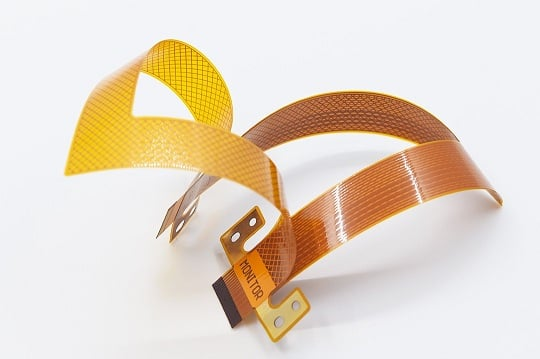
Flexible PCBs commonly use polyimide (PI) or PET films as the base material. They are thin, lightweight, and can bend or fold while maintaining electrical function—capabilities that rigid PCBs cannot provide.
They can withstand repeated twisting, bending, and folding, and they can support good thermal performance when properly designed. Many factors influence flexible PCB cost, including:
Other factors include panel utilization, overall size and production volume, regional cost differences, and surface finish selections (for example: ENIG vs OSP) that affect both reliability and price.
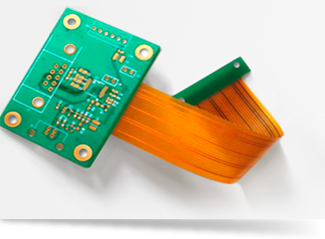
Rigid-flex PCBs are hybrid boards consisting of internal flex layers and external rigid layers. In many real-world cases, rigid-flex can cost several times more than traditional rigid PCBs because of the specialized materials and more complex manufacturing flow.
Even though rigid-flex uses materials similar to rigid and flex PCBs (core laminate, copper foil, flexible laminates, prepreg, bond plies, and cover layers), the design and fabrication process is more demanding.
No-flow prepregs are often essential to successful rigid-flex construction. These materials generally cost more than traditional FR-4 and standard polyimide prepregs (sometimes dramatically more), and they are commonly available in thin glass fabrics (for example: 106 and 1080 styles), which can limit lower-cost material substitutions.
In addition, rigid-flex manufacturing may require separating individual sub-structures before final assembly into the finished board. This increases process steps and circuit complexity, which typically increases total cost.
Yield is also a major contributor. Combining dissimilar materials with different stability characteristics requires expertise, specialized equipment, and careful process control. As a result, rigid-flex yield is often lower than traditional rigid or flexible boards, increasing overall cost.
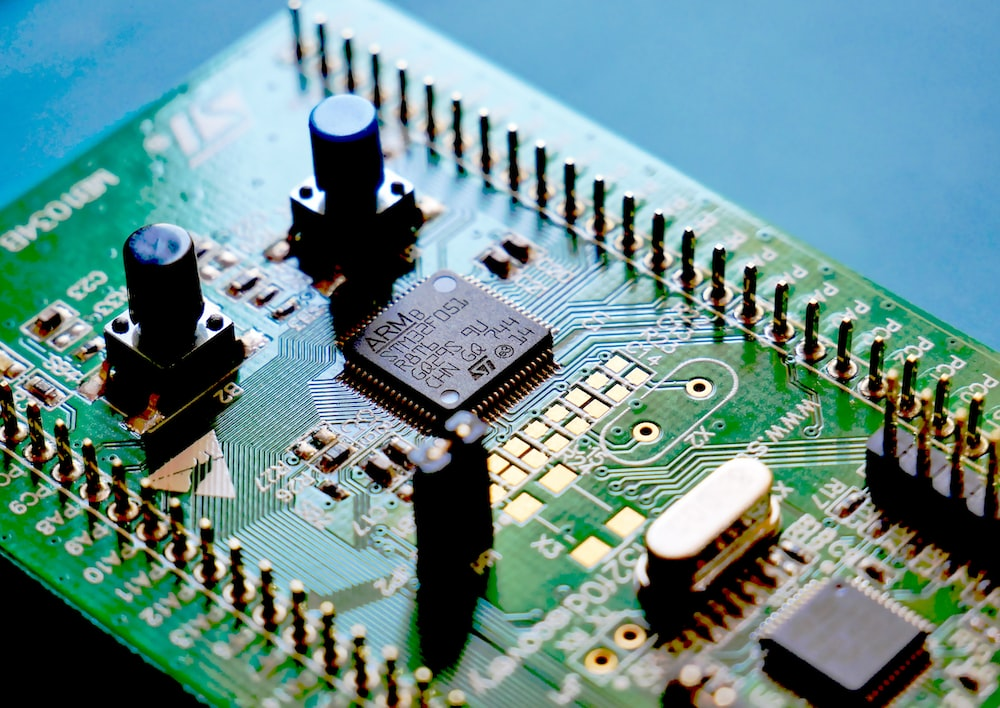
Reducing PCB cost while retaining target performance is a balance between electrical requirements, reliability, and manufacturability. The following approaches commonly reduce cost:
A commonly cited rough range for simple bare boards is about US$0.02 to US$0.05 per square inch, but real pricing can vary widely based on stackup, materials, and requirements.
Cost per square inch varies with board area, order volume, layer count, and complexity. A practical way to estimate is: Cost per in2 = Total cost ÷ (Board area in in2 × Quantity).
If you are pricing a fully assembled board (PCBA), component costs, placement time, stencil cost, inspection (AOI/X-ray), and test coverage can dominate total cost, so the per-area metric alone can be misleading.
Wholesale PCB cost can range from about US$1 to US$500+ depending on type, complexity, and whether the order is bare PCB or PCBA. Wholesale pricing is generally cheaper per unit because setup and overhead are distributed across larger quantities.
Purchasing PCBs at wholesale volume is most beneficial when you expect stable design revisions and consistent demand; frequent design changes can reduce the benefit because each revision may require new tooling, programming, or test setup.
Printed Circuit Boards are the core of electronics. Despite differences in complexity and design, understanding cost drivers is essential when purchasing or manufacturing a PCB.
By considering materials, layers, manufacturing processes, order volume, and lead time, you can streamline your design to better match your budget. This guide also summarized common PCB types and practical strategies to reduce costs without sacrificing essential performance.
Are you looking for a specific kind of PCB, or do you want to confirm whether a requirement will significantly affect cost? Contact us via email or support, and we will provide an expert-led answer.

Still, need help? Contact Us: support@nextpcb.com
Need a PCB or PCBA quote? Quote now