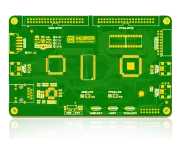
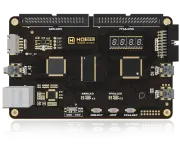
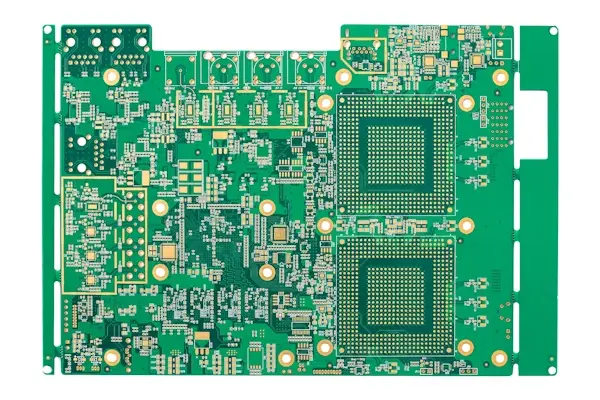
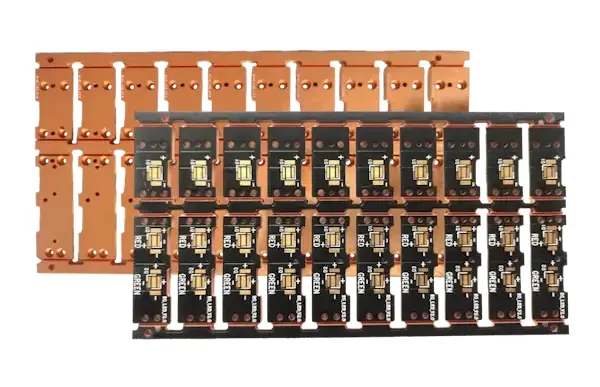
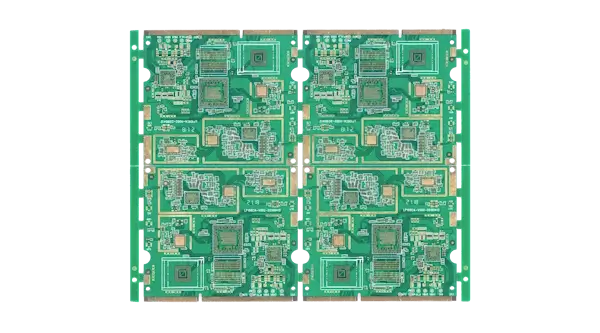
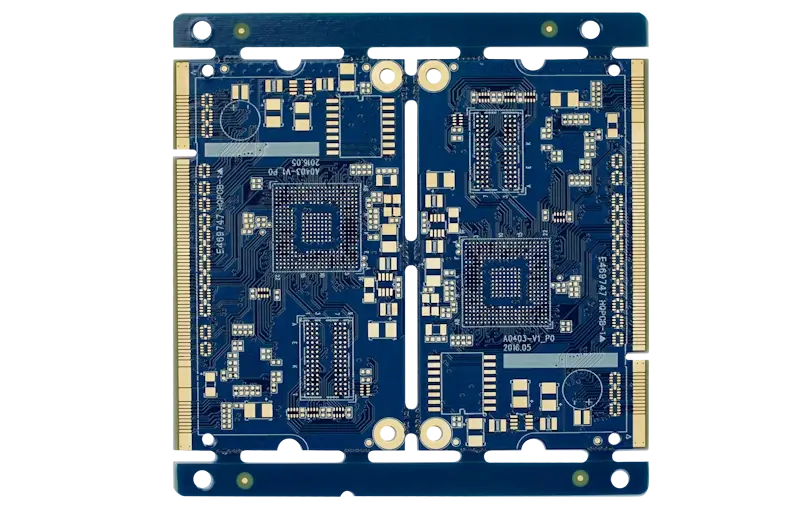
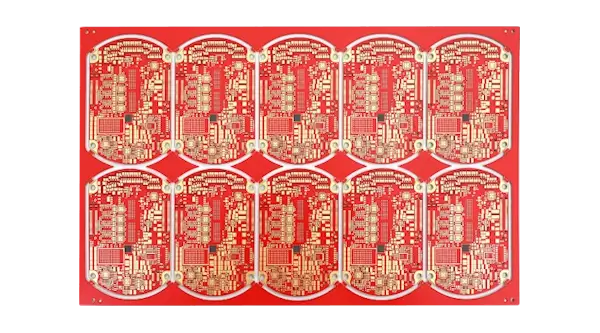
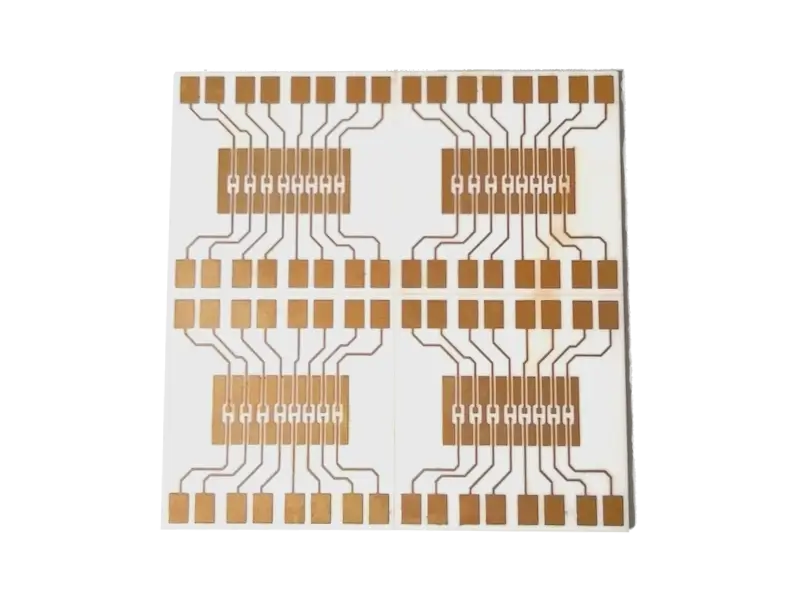
Printed Circuit Boards (PCBs) are the foundation of nearly all electronic devices, providing a structured platform for components to interconnect. Among the different types of PCBs, rigid PCBs are the most widely used due to their reliability, durability, and ease of mass production.
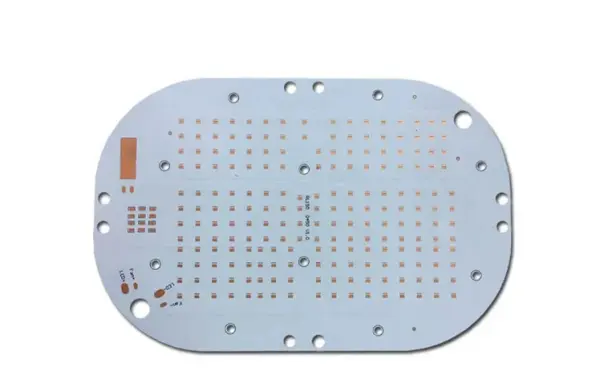
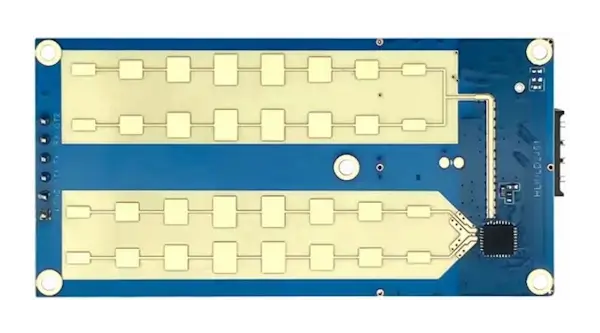
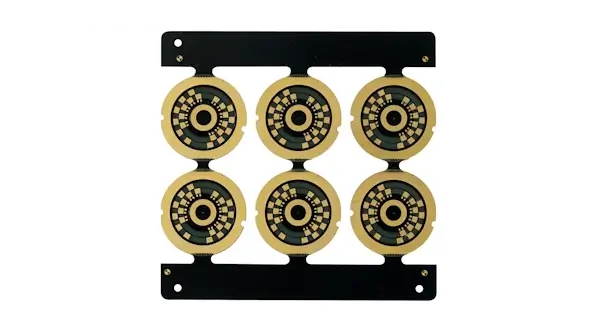
NextPCB offers a wide range of rigid PCB manufacturing services for any application, from FR4, metal-core to ceramic PCBs.
What are Rigid PCBs?
Rigid PCBs are traditional non-flexible circuit boards made from solid substrates, typically FR4 (fiberglass epoxy laminate), which provides mechanical stability for the circuitry and components.
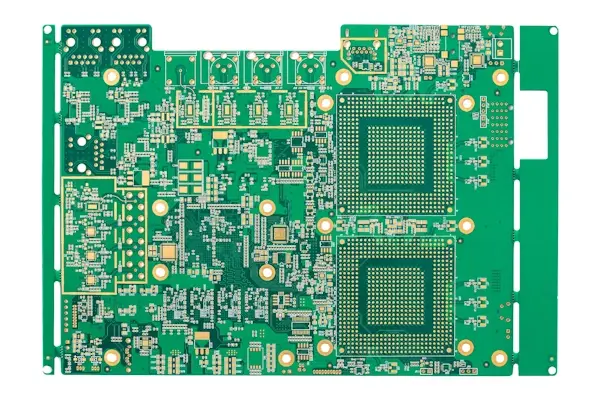
Initially developed to replace cumbersome breadboard wiring, rigid PCBs can consist of a wide variety of materials and configurations, but they typically share the same structure: conductive layers for the circuitry (typically copper traces), insulating layers made of dielectric material that separate conductive layers, and solder mask and silkscreen - the protective covering and text/markings, respectively.
Advantages of Rigid PCBs
Strong Mechanical Support
The non-flexible and sturdy nature of rigid PCBs secures components and copper patterns in place, minimizing damage from vibrations, shocks and bending.
Supports high-density layouts
The stability of rigid circuits allows for the construction of complex and precise structures, such as those made from fibreglass epoxy. Advanced techniques for creating blind/buried vias and fine traces work best with hard, static structures, allowing for intricate machining and processing.
Ease of Assembly
Rigid PCBs are highly suited for machine processing, improving efficiency and reducing costs during assembly. The boards can be held in place in various machines or travel along conveyors without deformation or external mechanical support. The flat, stable surface is ideal for precise solder paste application and component placement.
Heat resistant
The solid nature of rigid PCBs facilitates heat transfer and heat resistance. Metal-core PCBs using high-conductivity metals and ceramic PCBs are designed for effective thermal management for high-temperature applications.
When to Choose Rigid PCBs?
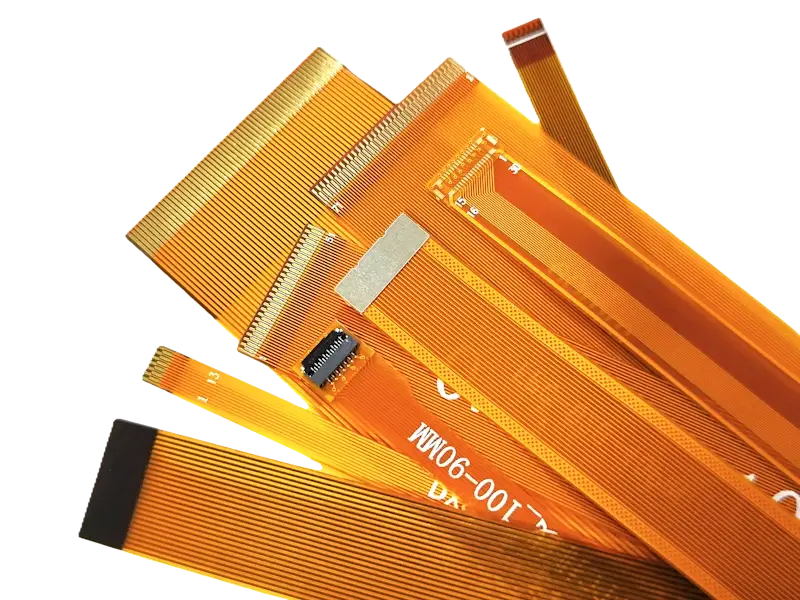
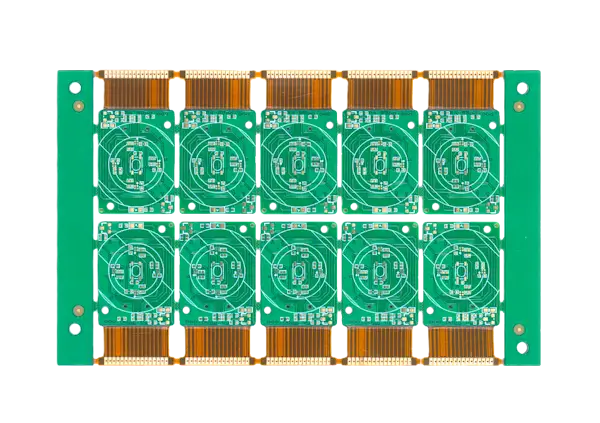
Rigid PCBs have a wealth of advantages and strong points, however, there are applications where flexibility and non-rigid circuit boards are favourable. In such cases, flexible PCBs or rigid-flex PCBs can be considered.
Rigid versus Flexible PCBs table
NextPCB Rigid PCB Manufacturing Capabilities
NextPCB supports a wide variety of rigid PCB types for applications in consumer electronics, automotive systems, industrial control, medical devices and more. Find out more below or contact us for more information.
>> Or Browse Advanced PCB Capabilities at NextPCB


 NextPCB Capabilities
 PCB Assembly
 Layer Buildup
 SMD-Stencils
 PCB Design-Aid & Layout
 Mechanics
 Surface
 Quality
 Drills & Throughplating
 Factory & Certificate