NextPCB Capabilities
Printed Circuit Boards
NextPCB Capabilities
Printed Circuit Boards
 PCB Assembly
 Layer Buildup
 SMD-Stencils
 PCB Design-Aid & Layout
 Mechanics
 Quality
 Drills & Throughplating
 Factory & Certificate
 PCB Assembly Factory Show
Certificate
PCB Assembly Factory Show
Certificate

Support Team
Feedback:
support@nextpcb.com


In the complex ecosystem of electronics manufacturing, "quality" is often treated as a subjective term. However, for hardware engineers, product managers, and supply chain professionals, quality must be objective, measurable, and verifiable.
A printed circuit board (PCB) is the foundation of your electronic product. If the foundation is flawed—whether due to micro-cracks in copper plating, ionic contamination, or improper lamination—the entire product fails. Choosing a PCB manufacturer is, therefore, an exercise in risk management.
This comprehensive guide goes beyond the acronyms to explain the rigorous systems, standards, and testing protocols that distinguish a reliable manufacturing partner from a high-risk vendor. We will explore what critical certifications like ISO 9001, IATF 16949, and UL actually mean for your product's performance and legal compliance.
>> View & verify our complete portfolio of ISO, UL, and Environmental certifications directly from our Official Certifications Page.
>> Download All Certificates with One More Click(.RAR)
Table of Contents
A certificate on a wall doesn't guarantee a perfect board, but it does guarantee a consistent system for handling processes. Think of QMS certifications as a pyramid of reliability.
ISO 9001 is the globally recognized standard for quality management. It focuses on consistency, customer satisfaction, and continuous improvement.
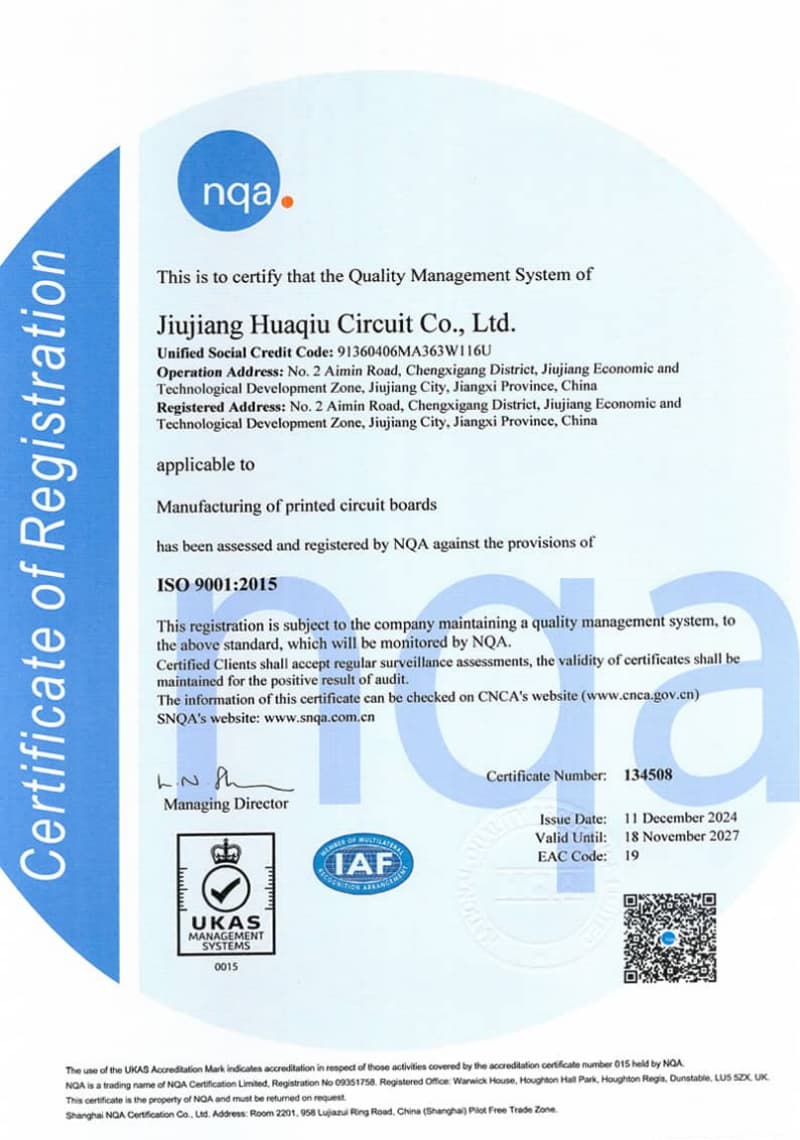
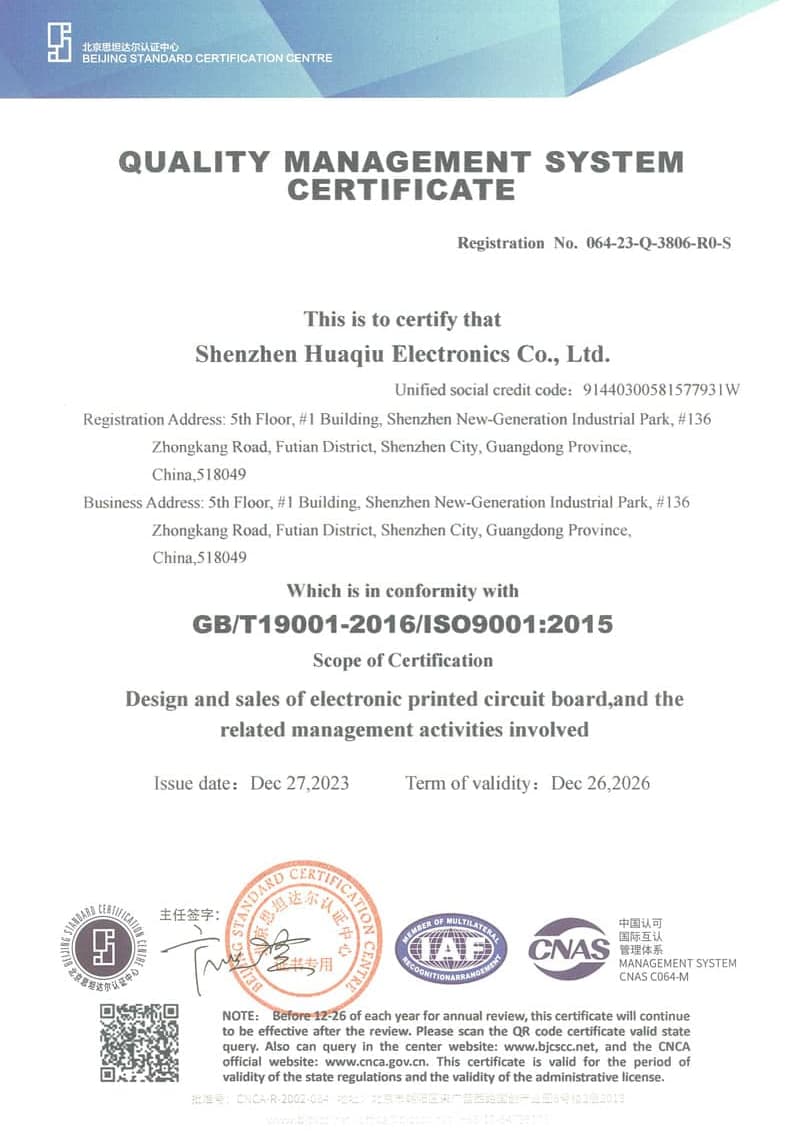
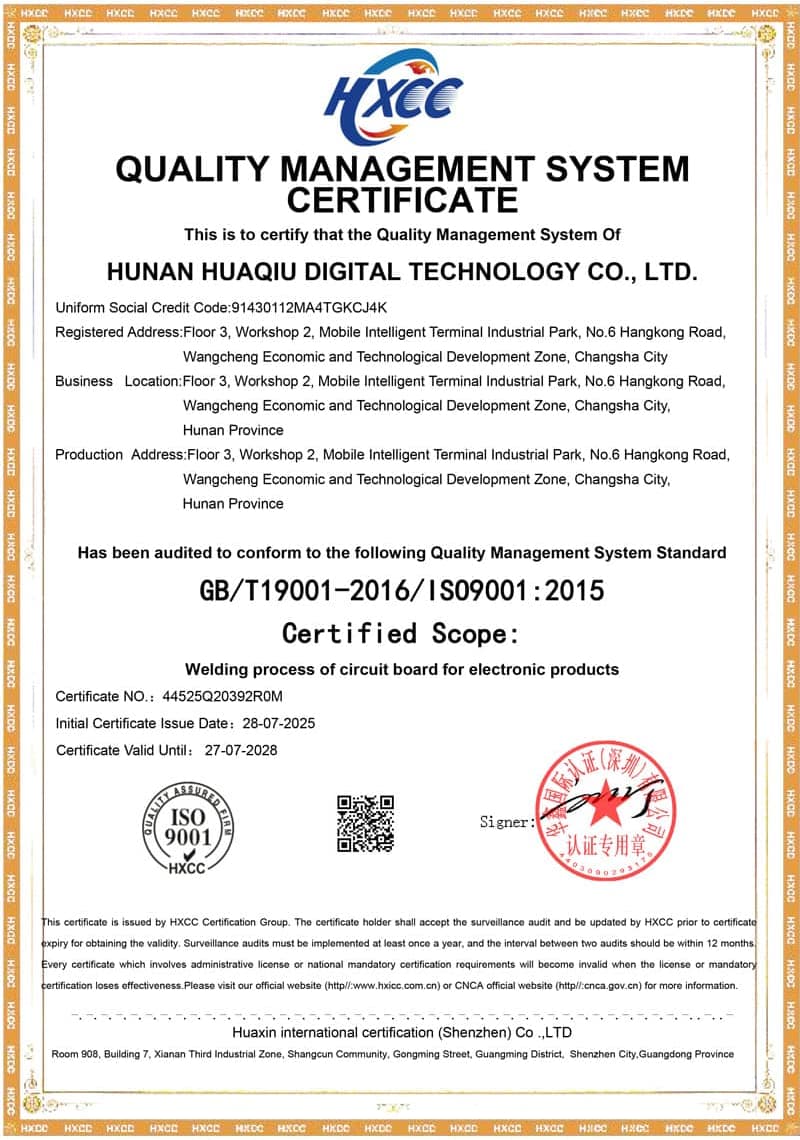
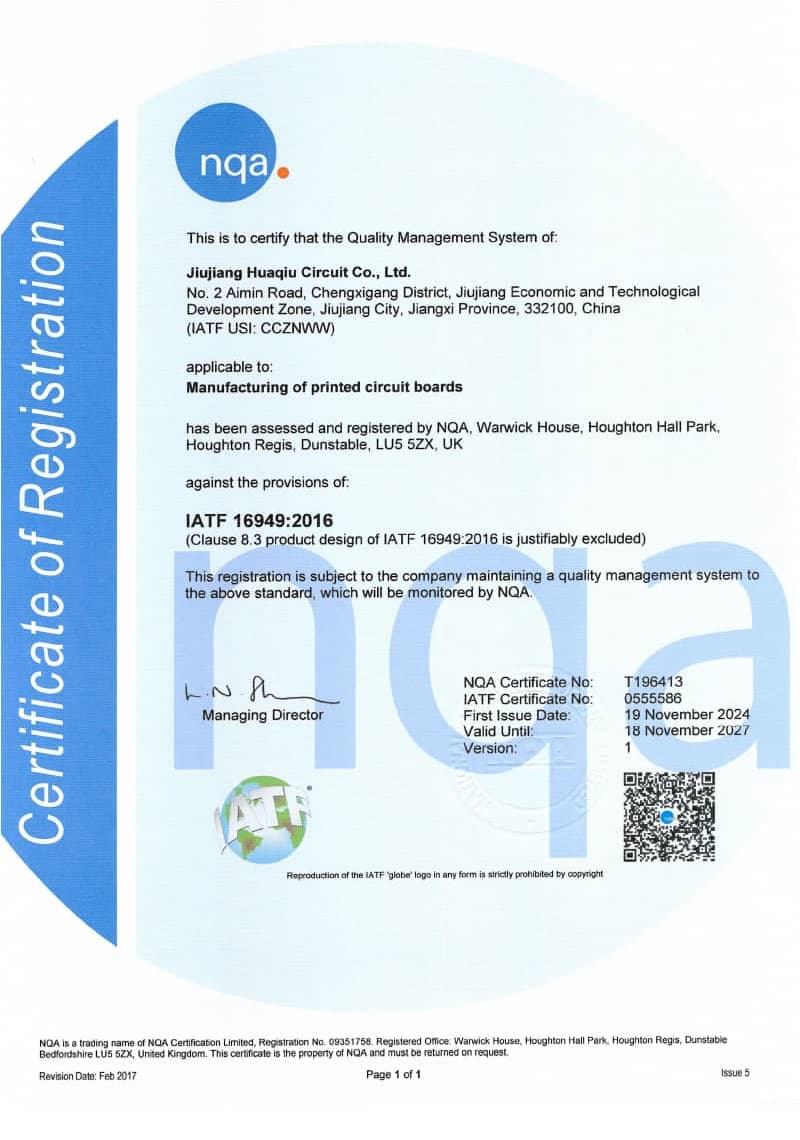
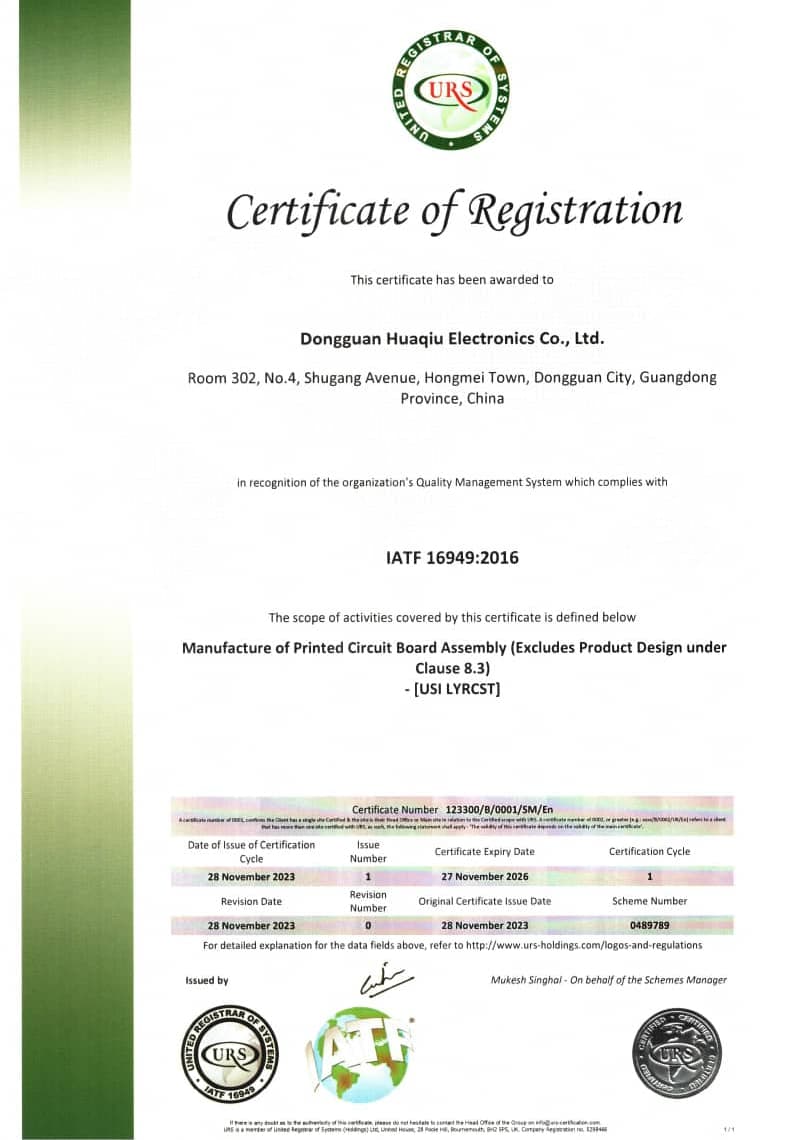
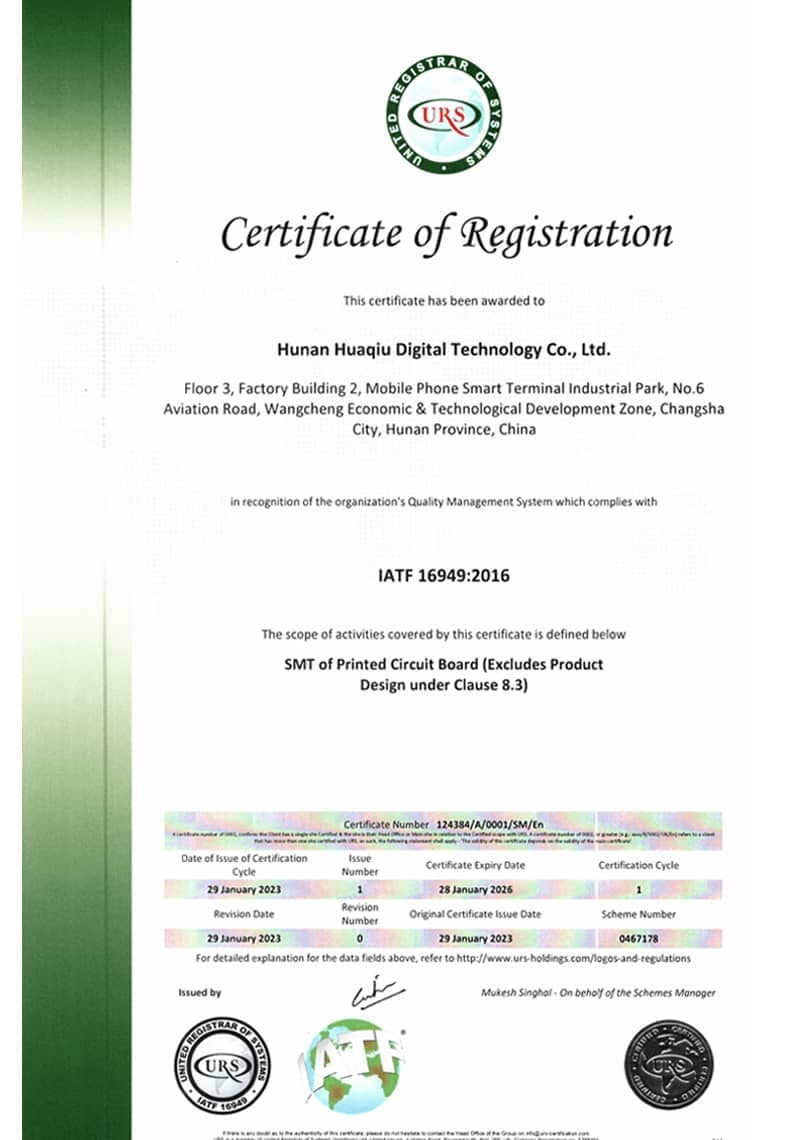
Developed by the International Automotive Task Force, IATF 16949 is one of the most stringent manufacturing standards in the world. While mandatory for automotive PCBs, its benefits extend to all customers.
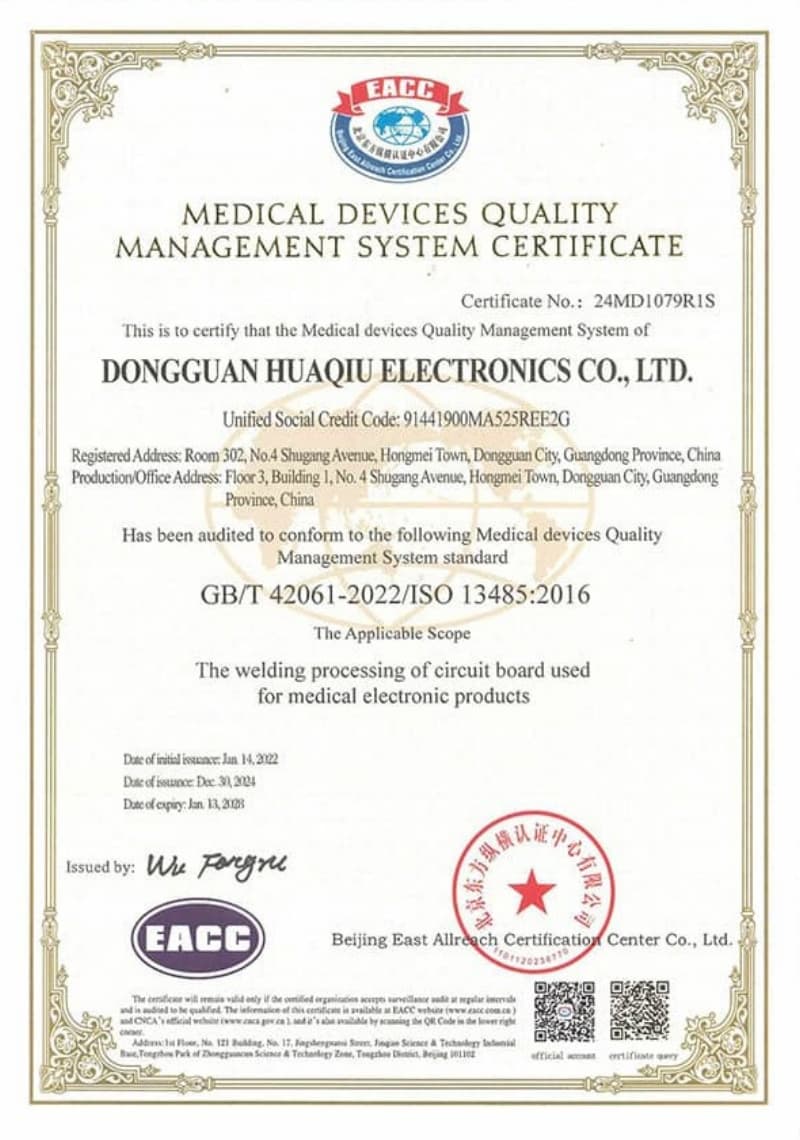
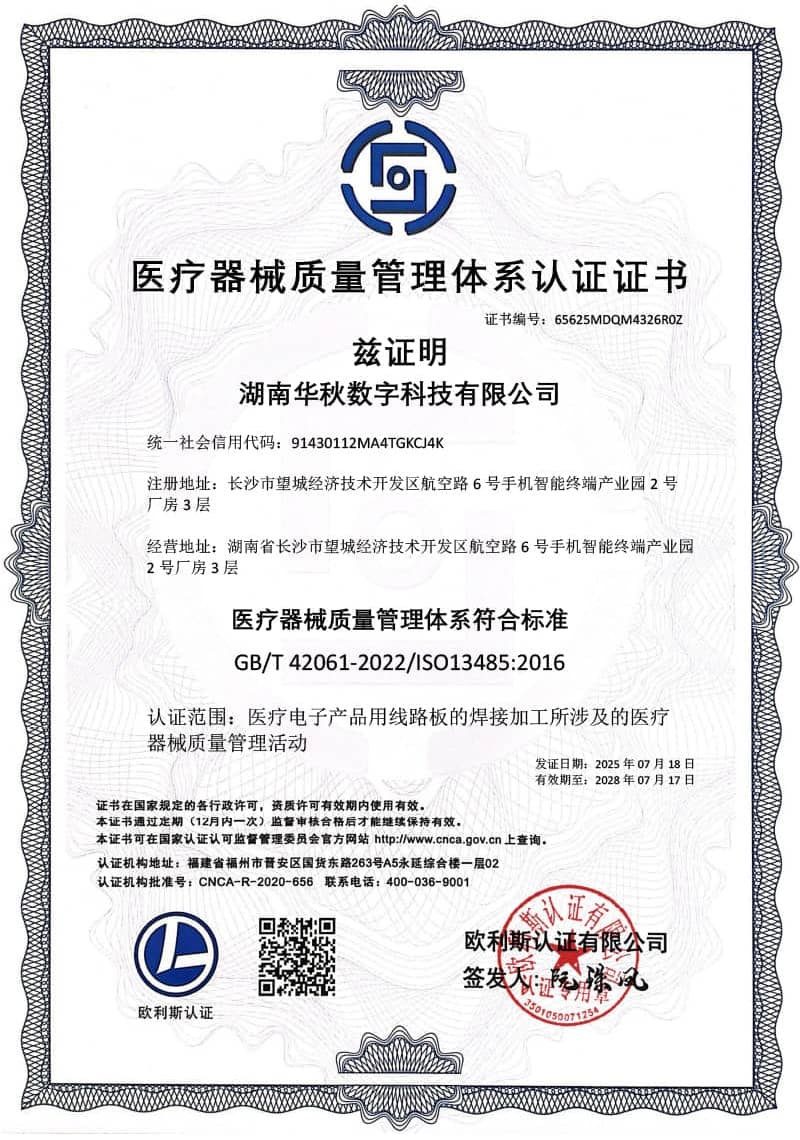
For medical devices, the primary goal isn't just "quality," it's "safety and efficacy."
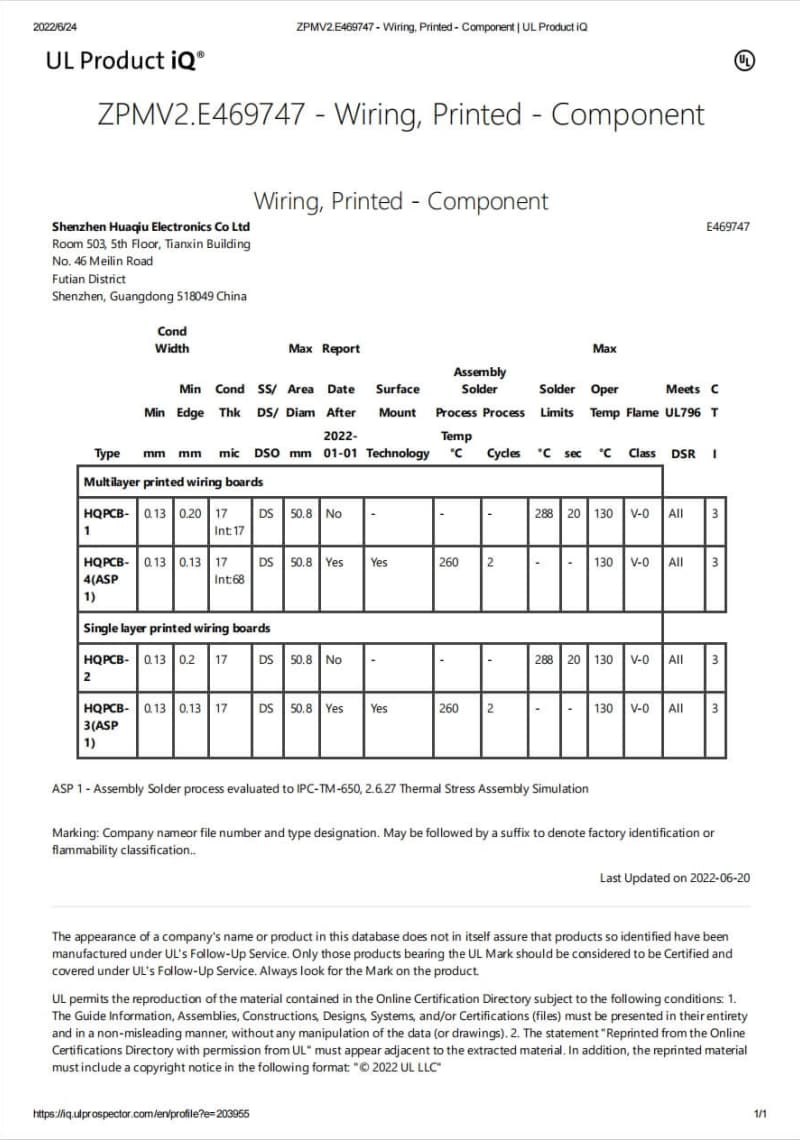
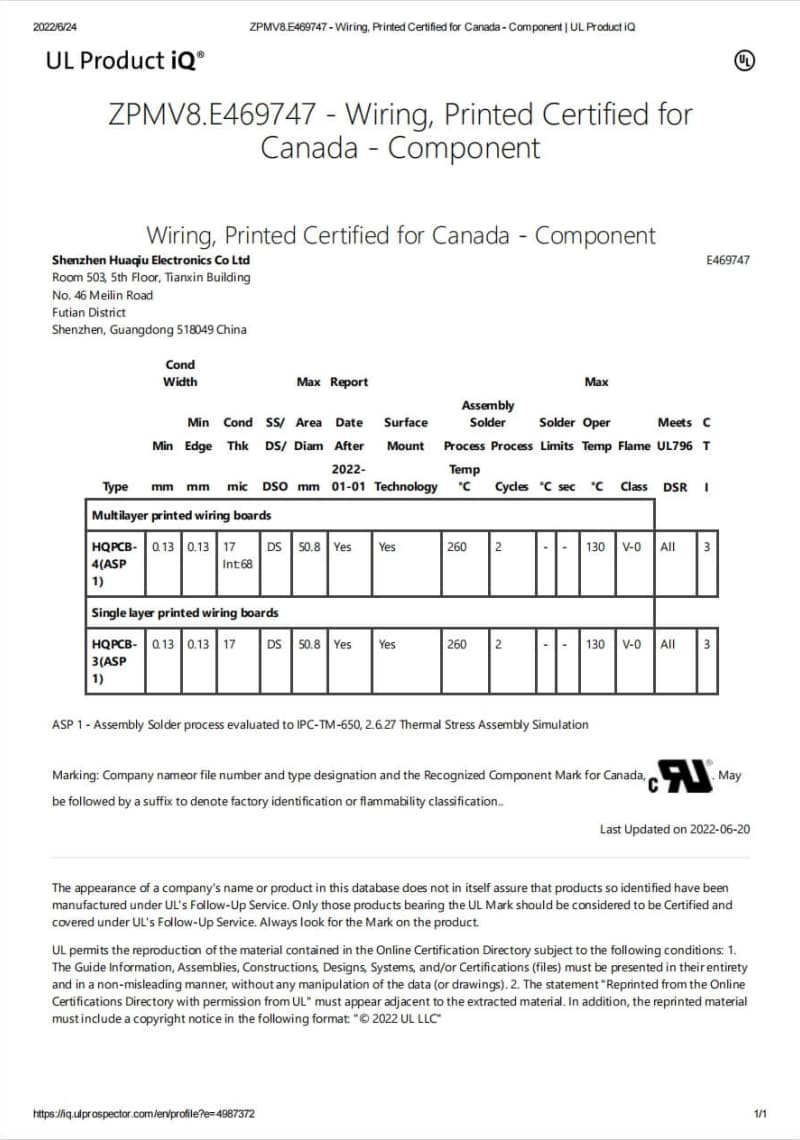
Underwriters Laboratories (UL) certification is critical for market access in North America. For PCBs, it specifically addresses fire safety and electrical reliability.
The UL 796 standard specifically covers Print Wiring Boards (PWB). When a manufacturer is "UL Listed," their boards have passed rigorous flammability and delamination tests.
While ISO standards certify the factory, IPC standards certify the product. They define what a "good" solder joint or a "good" through-hole looks like.
Most manufacturers default to IPC Class 2, but you must understand the difference to make an informed choice.
| Feature | Class 2 (Dedicated Service) | Class 3 (High Reliability) |
|---|---|---|
| Typical Use | Laptops, Consumer Electronics, Industrial Controls | Aerospace, Life Support, Military, Automotive |
| Philosophy | "Uninterrupted service is desired." | "Downtime is not tolerable." |
| Annular Ring (Drill Breakout) | Allows 90° breakout (drill can touch the edge of the pad). | No breakout allowed. Drill must be fully contained within the pad. |
| Plating Thickness | Average 20µm (minimum). | Average 25µm (minimum). |
| Cost Impact | Standard pricing. | Higher (due to stricter tolerances and lower yield). |
Global regulations regarding hazardous substances are tightening. Non-compliance can lead to massive fines and product recalls.
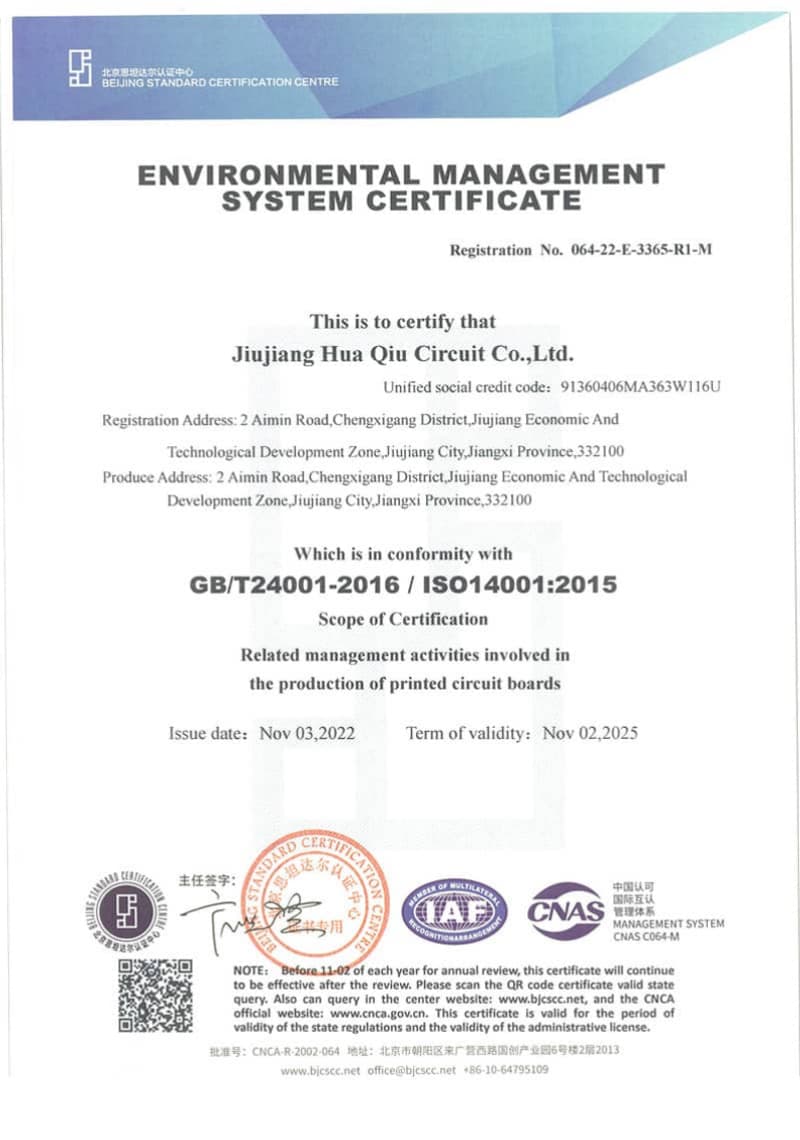
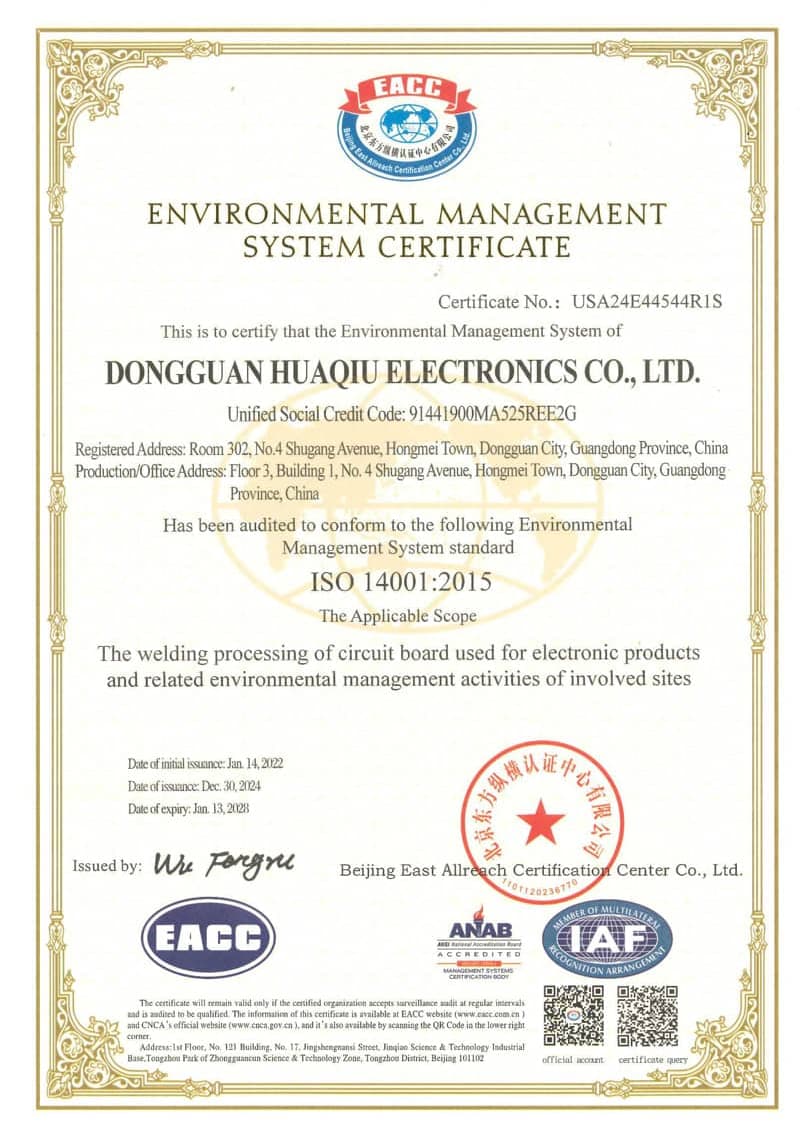
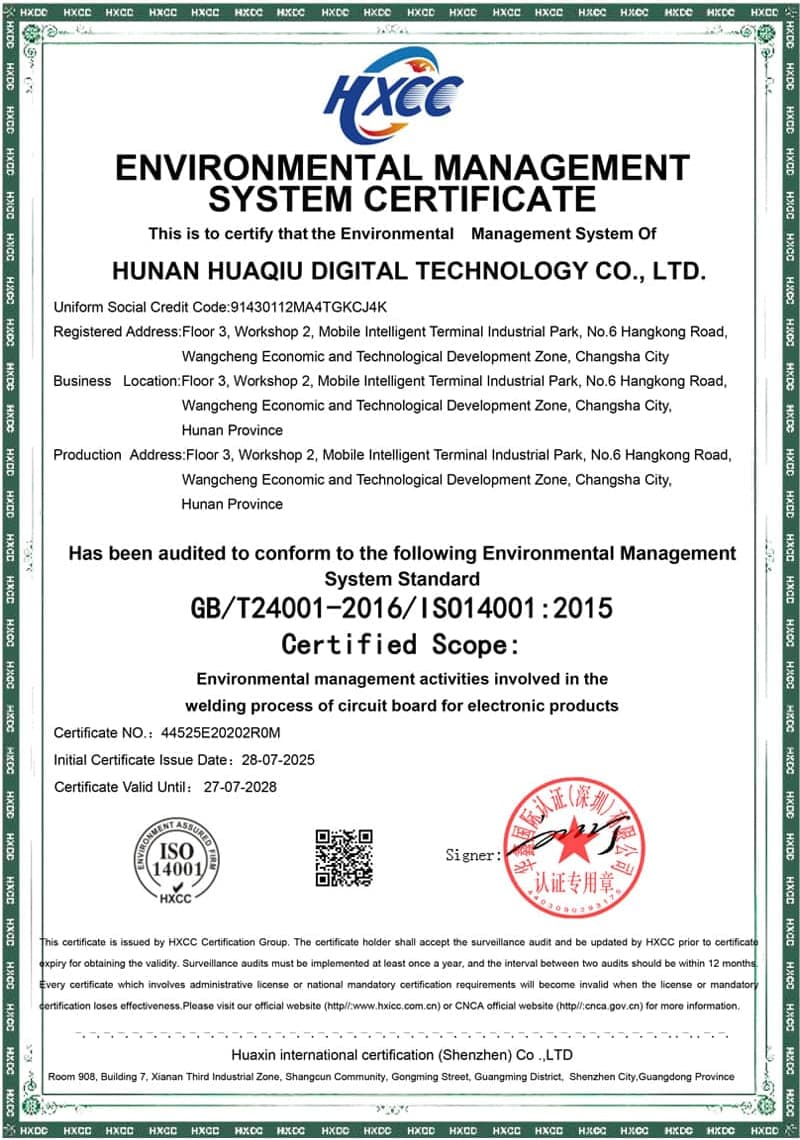
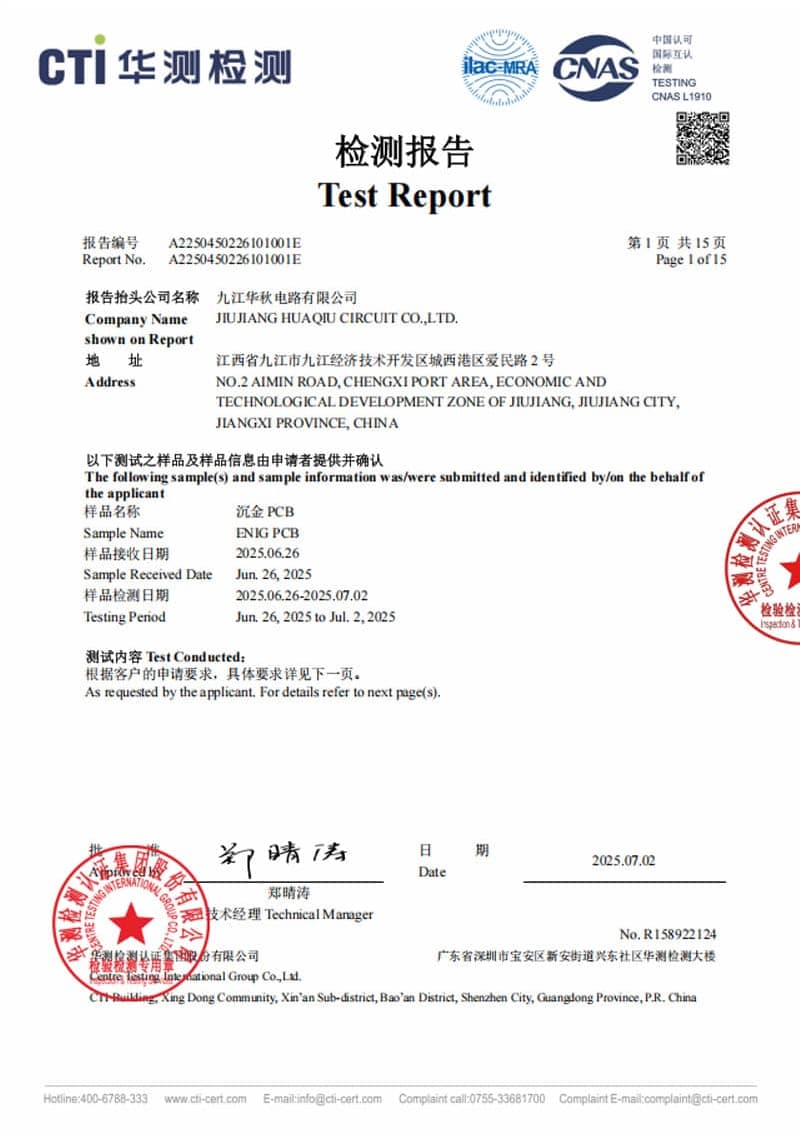
This EU directive restricts 10 hazardous materials, most notably Lead (Pb).
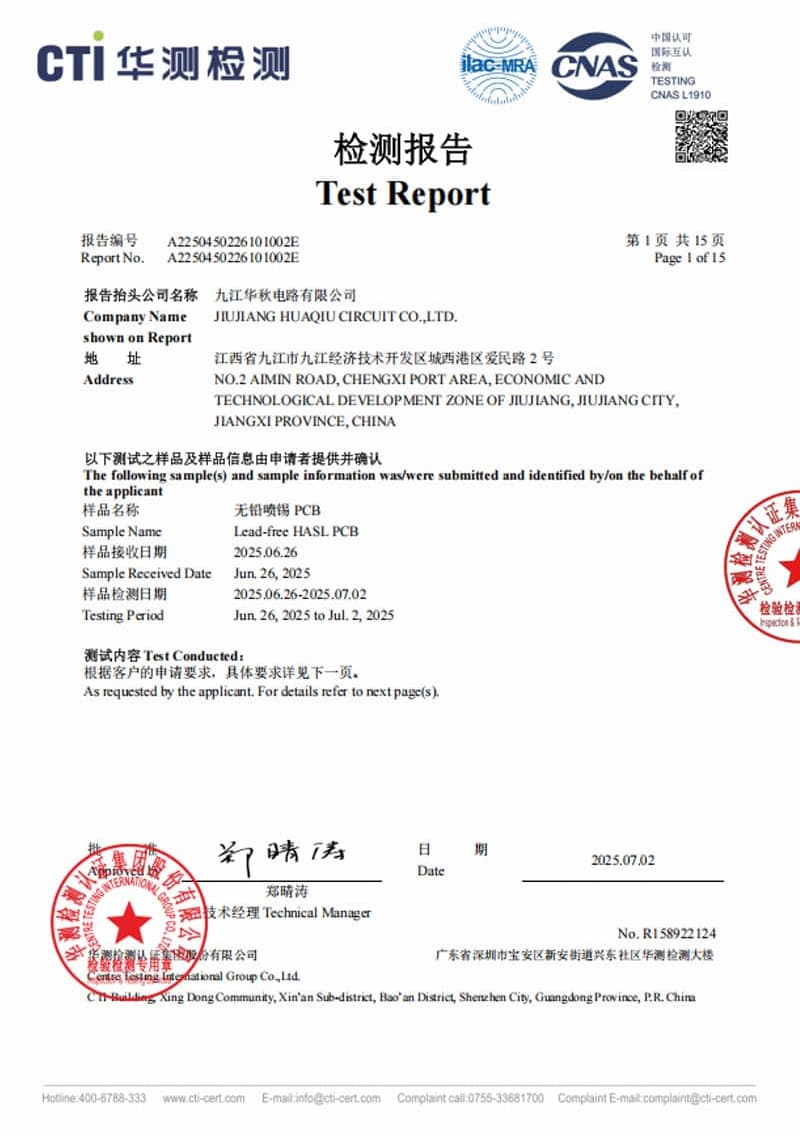
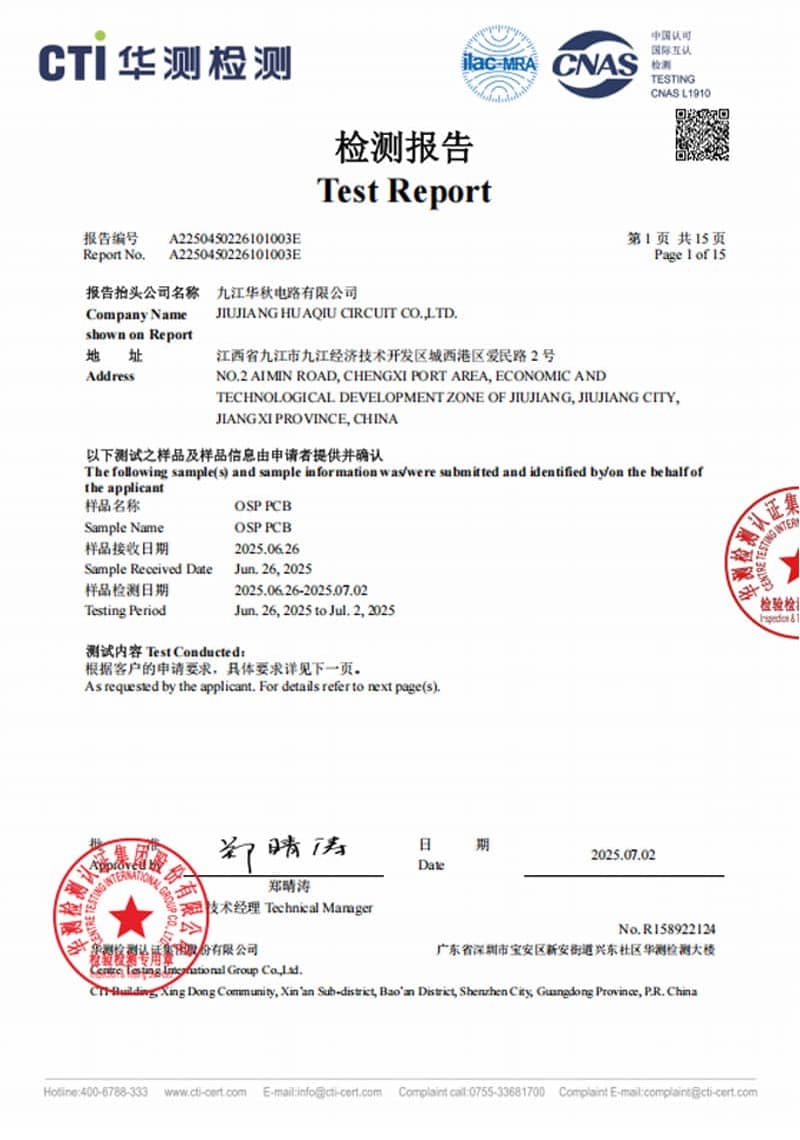
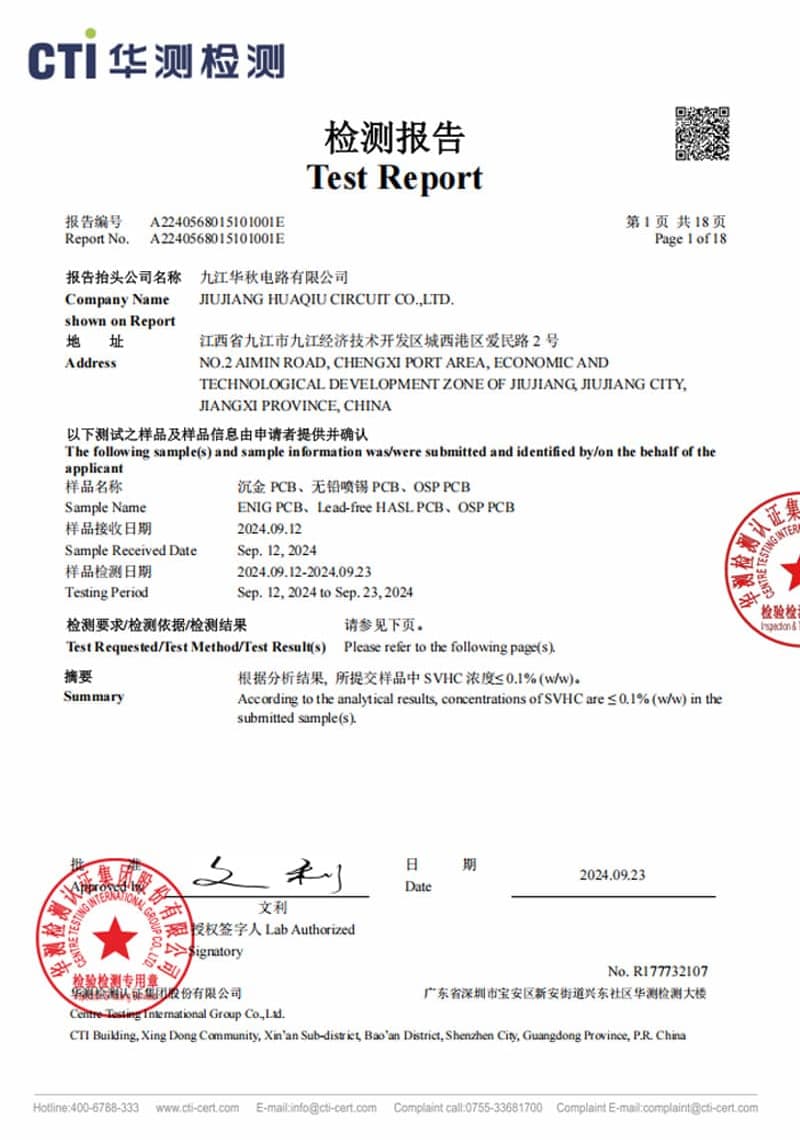
REACH manages the risks of chemicals. Manufacturers must monitor the "Candidate List of Substances of Very High Concern" (SVHC), which is updated every six months.
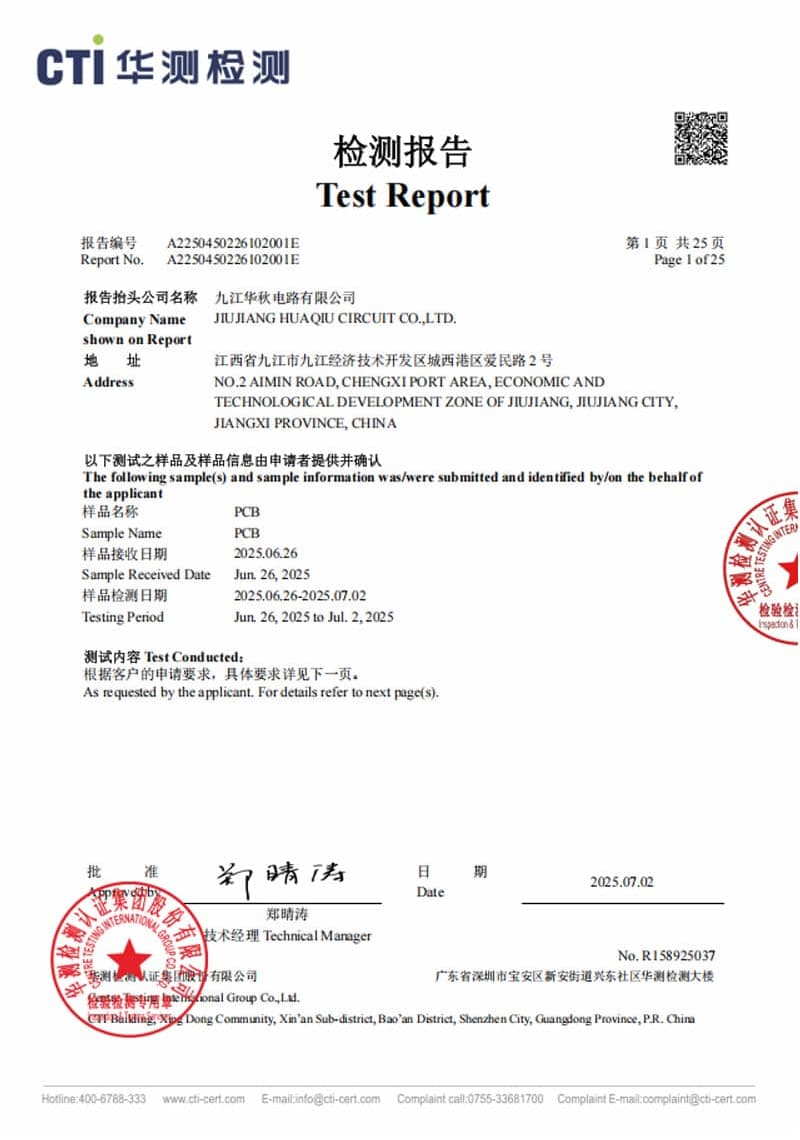
Per- and polyfluoroalkyl substances (PFAS) are "forever chemicals" facing impending bans in the EU and US. While common in some high-frequency PTFE materials, standard FR4 boards should be PFAS-free. A forward-thinking manufacturer will already have PFAS test reports available.
Certifications are proven through testing. A "comprehensive" quality system must include the following inspections, which you should see in your manufacturer's factory tour or reports:
In PCB manufacturing, you generally get what you pay for. A "cheap" board that lacks UL certification or fails to meet IPC plating standards can cost you thousands in reworked assemblies and damaged reputation.
When selecting a partner, look for transparency. Do they display their certificates? Do they provide test reports? Are they open about their quality control equipment?
At NextPCB, we go beyond meeting certifications; we make quality a core aspect of our operations, ensuring that every board we produce aligns with your needs and exceeds your expectations. Contact us today to learn more about how we can help you achieve the highest quality standards for your next project.
Verify Our Credentials
We believe in total transparency. You can view, verify, and download our complete portfolio of ISO, UL, and Environmental certifications directly from our Official Certifications Page.
Ready to Get Started? Reach out now and discover how NextPCB's commitment to quality can elevate your PCB manufacturing process.
Q1: Why do PCB manufacturers with IPC certification still have quality issues? Is IPC certification useful?
Common Scenario: Some users find that suppliers claim to follow IPC standards, but the quality of the produced PCBs, such as solder joints or board quality, remains unstable.
Answer:
IPC standards are globally recognized by the electronics industry and provide the framework for PCB quality and performance evaluation. They serve as the accepted guidelines for manufacturing and inspection processes.
However, it is important to note:
Key Takeaway:
IPC certification is a quality control benchmark but does not automatically guarantee overall product quality.
Q2: Why do different certification systems (like IPC, ISO, UL) seem to have inconsistent requirements? How do they relate to each other?
Common Scenario: Sometimes a PCB passes IPC standard checks, but fails in ISO or UL audits.
Answer:
Different certification systems focus on different aspects:
These standards are not necessarily in conflict but focus on different aspects of product and process evaluation. They are complementary, not mutually exclusive.
Key Takeaway:
Different certification systems have different objectives. They cannot be directly substituted for one another but should be understood as complementary.
Still, need help? Contact Us: support@nextpcb.com
Need a PCB or PCBA quote? Quote now