NextPCB Capabilities
Printed Circuit Boards
NextPCB Capabilities
Printed Circuit Boards
 PCB Assembly
 Layer Buildup
 SMD-Stencils
 PCB Design-Aid & Layout
 Mechanics
 Quality
 Drills & Throughplating
 Factory & Certificate
 PCB Assembly Factory Show
Certificate
PCB Assembly Factory Show
Certificate

Support Team
Feedback:
support@nextpcb.com


Rapid prototyping (RP) is transforming how products are developed. It allows for quick iterations and feedback, speeding up the process.
This approach is crucial for industries like automotive and consumer electronics. It helps identify design flaws early, saving time and money.
By creating a working model, teams can test functionality and design before full-scale production. This reduces risks and improves product quality.
Various methods, such as 3D printing and CNC machining, offer flexibility and adaptability. These techniques support innovation and creativity in product design.
Understanding the benefits of fast rapid prototyping can help teams streamline development cycles with rapid prototyping and enhance product design. Let's explore how this process works and its advantages.
To define rapid prototyping and provide a concise rapid prototyping description, RP involves creating a preliminary version of a product to evaluate its design and functionality. This process allows developers to make improvements based on feedback. The rapid prototyping definition and rapid prototyping meaning center on learning quickly from tangible trials.
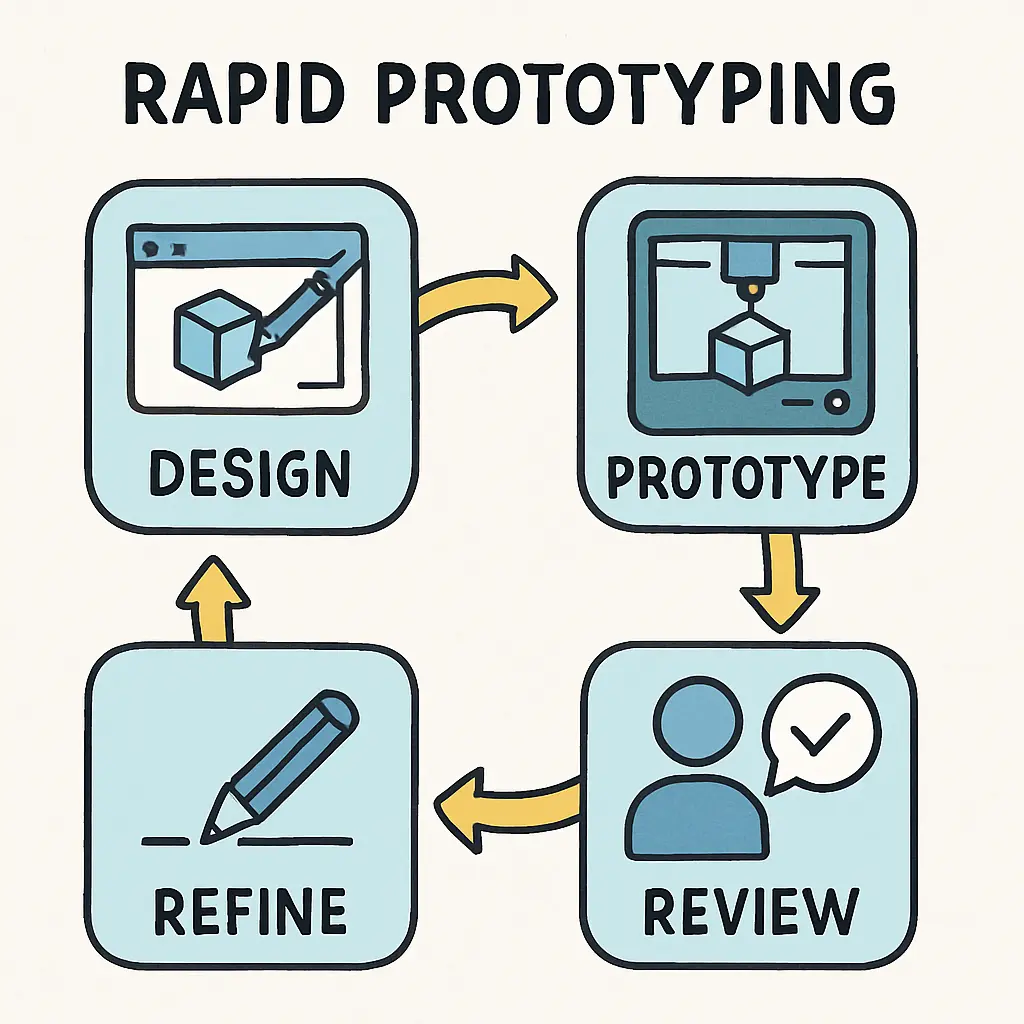
The core idea is to fabricate a model quickly. This helps teams to iterate and refine their concepts. It supports user-centered design by providing tangible models for stakeholders.
The rapid prototyping definition encompasses several key elements:
Prototypes can range from simple components to complex assemblies. These models allow teams to visualize and test product concepts efficiently before moving to production.
RP enhances communication among team members. This method ensures that everyone understands the design intent. It provides a platform for better collaboration and creativity, essential in modern product development practices.
This process is a dynamic and iterative approach. It consists of several stages, each playing a crucial role. If you're wondering how does rapid prototyping work, the phases below outline the essentials of the rapid prototyping process and methodology.
Initially, the team defines the project goals and conceptualizes a design. This stage involves brainstorming and sketching ideas. It sets the foundation for prototyping.
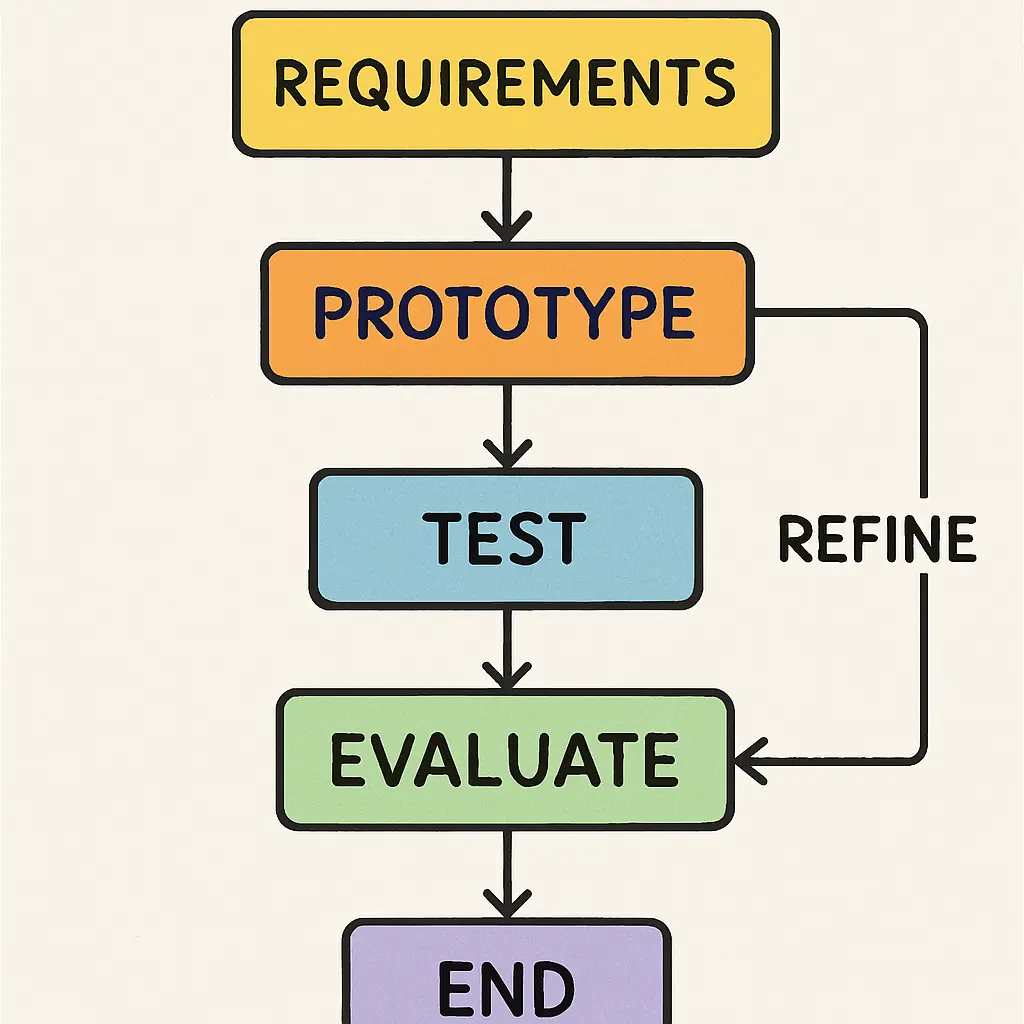
Once the concept is clear, the design phase begins. Designers translate ideas into digital models using software tools, often forming a rapid prototype design model. These models represent the prototype's visual and functional aspects.
Next, the actual prototyping takes place. Different rapid prototyping methods such as 3D printing, CNC machining, or other techniques are used. The choice depends on the project requirements and materials.
The final stage is testing and refining the prototype. Teams evaluate its performance, identify flaws, and gather feedback. This stage is critical for making informed improvements.
Key steps in the rapid prototyping process include:
By following these steps, teams ensure effective and efficient product development. RP accelerates innovation, reduces time to market, and enhances product quality while aligning with rapid prototype development best practices.
Rapid prototyping offers a variety of methods, each with unique benefits. These techniques cater to different design needs and materials. Choosing the right one is key to successful prototype development.
Additive manufacturing, or 3D printing, is a popular method. It creates objects by layering materials such as plastics and metals. This technique is efficient for complex geometries and custom designs.
Subtractive methods, like CNC machining, involve removing material from a block to create a prototype. This technique suits projects requiring high precision and specific material properties, like metals or hardwoods.
Formative techniques, such as injection molding, use molds to form parts. These are ideal for producing multiple copies of a design quickly and affordably. Although initial costs can be high, they pay off in bulk production.
A few rapid prototyping techniques and methods include:
Selecting the appropriate method enhances the design process and final product quality. Understanding these techniques helps teams match them to rapid prototyping manufacturing and project demands effectively. Each method offers unique advantages, ensuring flexibility in product development.
Fast rapid prototyping transforms product development by accelerating the entire process. Swift iterations allow teams to quickly refine designs. This speed is a critical advantage in competitive markets.
Immediate feedback is a hallmark of RP. It enables designers to address flaws early. By adjusting designs promptly, teams can save on costly revisions. This quick prototyping cycle reduces uncertainty and boosts confidence in decisions.
Better team communication is another benefit. Fast prototyping provides tangible models that enhance discussions. These physical samples help align expectations among stakeholders.
Key benefits of fast rapid prototyping include:
Additionally, this approach leads to innovative solutions through experimentation. By testing various designs and materials, teams push the boundaries of creativity. This method fosters a culture of innovation and adaptation.
Embracing fast prototyping can revolutionize how companies design and develop new products. It supports quick decision-making and reduces time to market, essential for staying ahead.
In product design, RP is a game changer. It bridges the gap between concept and reality. With quick iterations, designers turn ideas into tangible models swiftly.
RP fosters creativity by encouraging experimentation with various designs. This iterative cycle ensures robust products. It also helps test functionality and aesthetics before final production. Effective alignment between product design and rapid prototyping ensures that feasibility informs creativity, while thoughtful rapid prototyping design choices guide manufacturing.
Designers and developers benefit from immediate insights that prototypes provide. This feedback loop minimizes risks and enhances the final product quality.
Key impacts in product design and development include:
Prototyping also enhances collaboration among cross-functional teams. It offers a visual aid for communicating design intent. This ensures all stakeholders align with the project's goals, paving the way for innovative product solutions. These practices contribute to market-ready rapid prototyping products.
Choosing the right materials is crucial in RP. The selection depends on the prototype's function and design requirements. Common materials range from plastics to metals. Common rapid prototyping materials include photopolymers, nylons, and lightweight aluminum.
Different materials offer different benefits. Plastics, for example, are cost-effective and versatile. Metals, on the other hand, provide strength and durability for functional prototypes. The choice should align with the prototype's intended purpose.
Equally important are the tools used in the RP process. Essential rapid prototyping equipment includes:
Each type of equipment serves a specific role in producing different prototype types. Advanced tools increase precision and reduce production time. As technology advances, these tools become more accessible, streamlining the prototyping process. This availability enables faster and more efficient rapid prototype development, enhancing overall design productivity.
While traditional rapid prototyping often focuses on mechanical and physical models (like 3D printing and CNC machining), the development of smart devices requires an equally agile approach for electronics. This brings us to the critical contrast between mechanical RP and electrical RP: Printed Circuit Board (PCB) and Printed Circuit Board Assembly (PCBA) prototyping.
Unlike mechanical prototyping, which evaluates the physical form, structural integrity, and aesthetics of a product shell, PCB and PCBA prototyping tests the "brain" and "nervous system" of a device. It validates electrical functionality, signal integrity, logic design, and component integration. A truly successful hardware product relies on the seamless convergence of both robust mechanical prototypes and flawless PCBA prototypes.
For electronic engineers and hardware developers, partnering with a responsive manufacturing service is key to staying ahead. This is where NextPCB excels. Their PCB prototype services are designed to deliver high-quality boards with lightning-fast turnaround times. You can easily upload your Gerber files and get an instant PCB quote to evaluate costs dynamically.
Exciting Upcoming Feature: The PCBA landscape is about to become unprecedentedly fast. Within a month, NextPCB is launching a revolutionary PCBA rapid prototyping service known as Rev0. This new model is built to achieve zero-email communication—eliminating tedious back-and-forth negotiations. With Rev0, engineers can rapidly transition straight into the production phase, realizing a truly seamless PCBA prototyping experience. To prepare for this next-generation workflow, explore their current assembly capabilities and get a PCB assembly quote today.
The Durostech rapid prototyping approach emphasizes speed and precision in prototype development. It aims to accelerate rapid prototype development without sacrificing quality. This approach addresses rapid prototyping needs, especially in competitive markets.
A key feature of the Durostech method is adaptability. It incorporates modern techniques and equipment to meet diverse project requirements. Flexibility enhances its effectiveness across various industries.
Key aspects of the Durostech approach include:
By implementing these strategies, the Durostech approach ensures efficient prototype development. It supports teams in delivering high-quality prototypes rapidly, providing a competitive edge in product development.
Rapid software prototyping allows developers to test and refine applications quickly. This method enhances the development cycle by encouraging early detection of bugs. It also helps in refining user interfaces based on real-world feedback.
Software prototyping involves creating initial versions or models. These models showcase application features and functionalities. They are crucial for engaging stakeholders and validating concepts before full-scale development.
Benefits of rapid software prototyping include:
Through effective prototyping, software teams can adjust and innovate swiftly. This agile approach increases the chances of delivering user-centric and market-ready applications efficiently.
RP is transformative across various industries. In the automotive sector, it allows for the testing of new car components. Engineers can experiment with designs before committing to large-scale production. Here are rapid prototyping examples from multiple sectors.
In consumer electronics, RP is invaluable for creating new gadgets. Companies can swiftly iterate on devices, combining complex 3D-printed enclosures with customized PCBA prototypes to ensure they meet market demands. This results in timely launches of cutting-edge products.
Some real-world examples of rapid prototyping applications include:
These examples illustrate the versatility and impact of RP in today's fast-paced development environments.
Adopting the right practices can significantly enhance RP efficiency. First, establish clear objectives for each prototype iteration. Focus on what you aim to test and learn.
Collaboration is vital during the prototyping process. Encourage open communication between designers, engineers, and stakeholders. This ensures that feedback is quickly integrated into subsequent iterations.
Consider these best practices for a streamlined development cycle:
By following these tips, teams can enhance productivity and reduce time to market effectively.
RP is vital in today's fast-paced development environments. It enables designers to innovate swiftly and respond to market demands effectively. As technologies advance, rapid prototyping will undoubtedly become even more integral to the development process.
Future trends may include increased automation, greater material diversity, and smarter rapid prototyping tools—spanning from AI-driven software models to zero-email hardware and PCBA production lines. These advancements will further streamline production and enhance design accuracy. Embracing such changes will be essential for maintaining a competitive edge and fostering continual innovation.
Short answer: Rapid prototyping (RP) is the fast creation of a preliminary, physical model to evaluate design and functionality. It matters because it enables quick iterations and feedback, helping teams spot and fix flaws early, reduce risks and costs, speed time to market, and improve product quality. RP also strengthens communication by giving stakeholders tangible models that clarify design intent and support user-centered, collaborative development.
Short answer: Choose based on your goals and constraints:
Short answer: While traditional methods (like 3D printing) focus on the physical form and mechanical structure of a product, PCB/PCBA prototyping focuses on the electrical functionality and logic. Both are required for modern smart devices. Services like NextPCB's upcoming Rev0 are making PCBA prototyping just as fast as mechanical RP by eliminating email communication and moving instantly to production.
Short answer: Match choices to the prototype’s purpose and requirements. For materials, use cost‑effective, versatile plastics (e.g., photopolymers, nylons) for form and fit, and metals (e.g., lightweight aluminum) for strength and durability in functional parts. For equipment, select tools aligned to your build needs: 3D printers for fast, complex shapes; CNC machines for precision in tough materials; laser cutters for accurate 2D profiles and components. Advanced tools boost accuracy and shorten production time.
Short answer: The Durostech approach prioritizes speed and precision without sacrificing quality. It’s adaptable across industries, leveraging cutting‑edge technologies and tight feedback loops to enable quick iterations. This combination helps teams meet diverse project requirements and deliver high‑quality prototypes rapidly for a competitive edge.
Short answer: In software, RP means building early application models to validate features, interfaces, and workflows. It enables faster detection of usability issues and bugs, improves alignment with user expectations, and strengthens stakeholder collaboration. These quick, iterative prototypes drive user‑centric, market‑ready applications more efficiently.
Ready to bring your innovation to life?
Whether you need precision-engineered mechanical parts or lightning-fast electronic prototypes, our expert team is here to accelerate your development cycle.
Start your next project with NextPCB today.
Still, need help? Contact Us: support@nextpcb.com
Need a PCB or PCBA quote? Quote now