

 Surface
Arya Li, Project Manager at NextPCB.com

 NextPCB Capabilities
Printed Circuit Boards
NextPCB Capabilities
Printed Circuit Boards
 PCB Assembly
 Layer Buildup
 SMD-Stencils
 PCB Design-Aid & Layout
 Mechanics
 Quality
 Drills & Throughplating
 Factory & Certificate
 PCB Assembly Factory Show
Certificate
PCB Assembly Factory Show
Certificate

Support Team
Feedback:
support@nextpcb.com


PageDown:Mouse-centric zoom-out.
Home: Center the position of the mouse
End: Refresh (redraw)
*: Switch between the top and bottom layers
+(-) Switch layer by layer: "+" and "-" in the opposite direction
Q(millimeters) and mil (mill) units to switch
IM: measure the distance between two points
Ex:Edit X, X is the editing target, the code is as follows: (A) = arc; (C) = element;(F) = padding; ; (T) = wire; (V) = via; (I) = wire; (G) = fill polygon. Forexample, to edit the component press EC, the mouse pointer "ten"word, click the element you want to edit can be edited.
Px: Place X, X for the target, the same code as above.
Mx:move X, X is the moving target, (A), (C), (F), (P), (S), (T), (V), Part; (O)rotation selection part; (M) = movement selection part; (R) = rewiring.
Sx:Select X, X is the content of the selection, the code is as follows: (I) = inner area; O = outer area; A = all; L = all layers; K = N = physical network;C = physical connection line; H = pad with the specified aperture; G = pad outside the grid. For example, to select all when press SA, all the graphics light has been selected, the selected files can be copied, clear, move, and other operations.
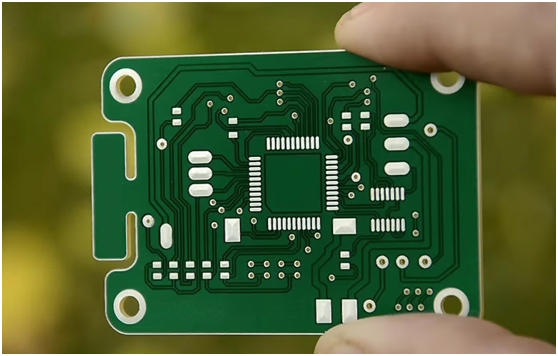
PCB design shortcuts are keyboard commands that allow designers to perform common tasks more quickly, such as placing components, routing traces, zooming, selecting objects, and switching design modes. They help improve workflow efficiency and reduce repetitive mouse actions.
Keyboard shortcuts can significantly increase design productivity by reducing the time required to access frequently used commands. Experienced PCB designers often rely on shortcuts to speed up component placement, routing, editing, and design verification processes.
Yes. Shortcuts allow designers to execute commands more consistently and efficiently, reducing the likelihood of navigation errors and helping maintain focus during complex layout tasks. This can contribute to a smoother and more accurate design workflow.
Yes. Different PCB design tools, such as Protel, Altium Designer, KiCad, OrCAD, and Eagle, use different shortcut key mappings. However, many core functions, such as zooming, selecting objects, and routing traces, follow similar design principles across platforms.
Beginners should focus on learning shortcuts for the most frequently used operations, including component placement, routing, editing, zooming, and layer switching. Regular use during daily design work helps build familiarity and gradually improves overall design efficiency.

Still, need help? Contact Us: support@nextpcb.com
Need a PCB or PCBA quote? Quote now